Dinner prep usually makes the problem obvious fast. You preheat the oven, wait for the beep, slide in the tray, and 20 minutes later everything is still pale and cold. When you need oven not heating repair, the first priority is not guessing – it is figuring out whether the issue is something simple, electrical, or safety-related.
A non-heating oven can come from several different faults, and they do not all look the same. Sometimes the oven will not heat at all. In other cases, it warms slightly but never reaches temperature, cooks unevenly, or shuts off before the cycle finishes. Those details matter because they point to different parts, different repair paths, and different levels of urgency.
Oven not heating repair starts with the symptom
Before anyone touches a tool, it helps to notice exactly what the oven is doing. If the control panel turns on but the cavity stays cold, the issue may be with the bake element, igniter, thermostat, or incoming power. If the broil function still works but bake does not, that often narrows the problem to one heating component instead of the whole appliance.
Gas and electric ovens also fail differently. An electric oven depends on heating elements and stable voltage. A gas oven depends on proper ignition, gas flow, and safety controls. That is why a repair that looks simple from the outside can still require a trained diagnosis to avoid wasted parts and repeat service calls.
What homeowners can safely check first
There are a few basic checks that are reasonable before booking service. Start with the controls. Make sure the oven is actually set to bake and not delay start, timer mode, or a locked setting. It sounds minor, but control errors do happen, especially after a power outage or after someone accidentally changes settings while cleaning the panel.
Next, check the household breaker. Electric ovens need enough power to heat properly, and a partially tripped breaker can leave the display working while the oven itself does not produce heat. Resetting the breaker once is reasonable. If it trips again, stop there. Repeated breaker trips point to an electrical fault that needs professional attention.
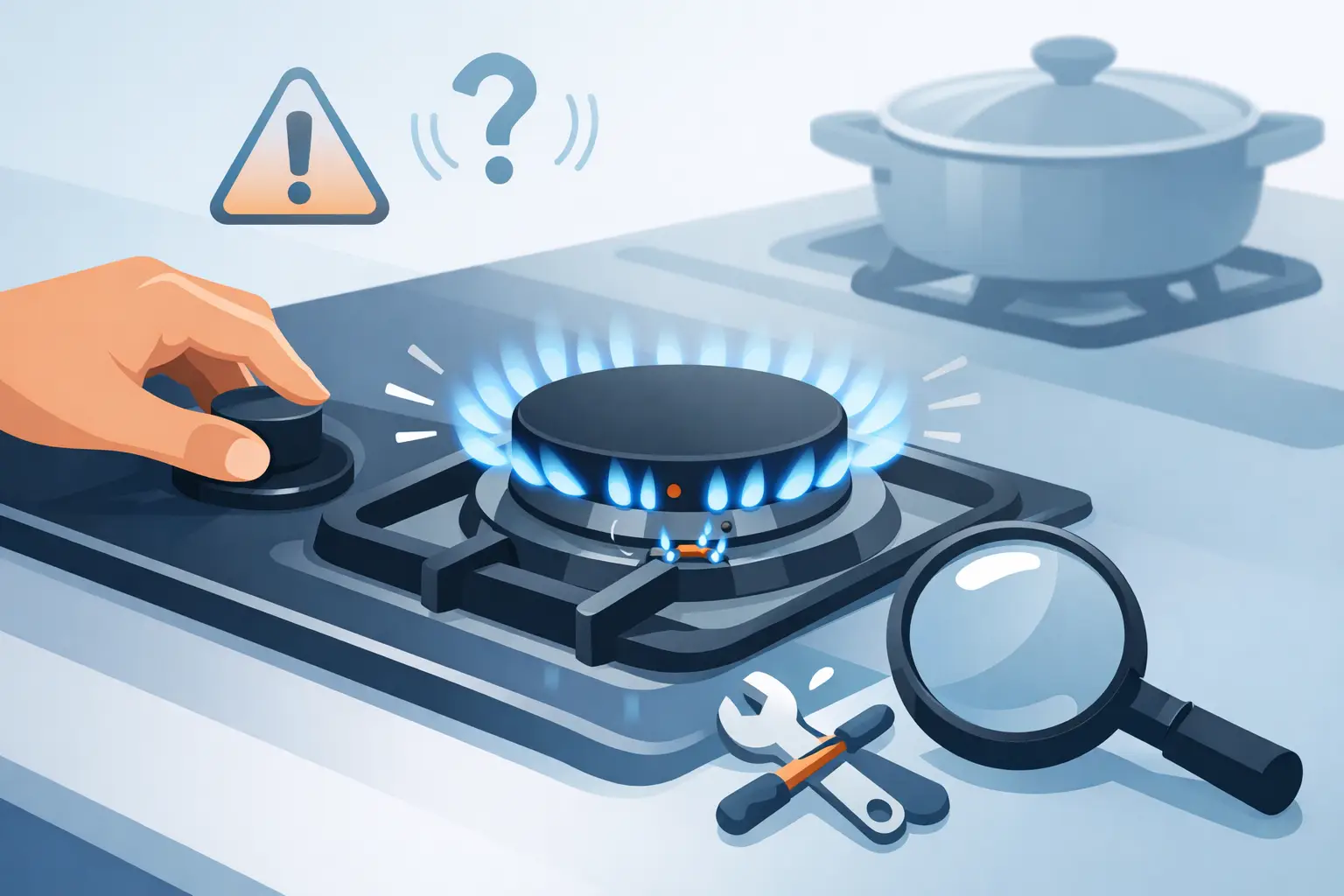
If you have an electric oven, look at the bake element when the unit is off and cool. If it is visibly blistered, cracked, or separated, that is a strong sign it has failed. If you have a gas oven, watch what happens when bake is started. A healthy igniter should glow and ignite the gas within a short time. If it glows but the burner never lights, the igniter may be too weak to open the gas valve fully.
These are observation steps, not repair steps. Once disassembly, live voltage testing, or gas system work enters the picture, it is time to bring in a qualified technician.
Common reasons an oven stops heating
Failed bake element in electric ovens
This is one of the most common causes in electric units. The bake element is responsible for most of the heat during standard baking. When it burns out, the oven may stay cold or rely only on partial heat from another source, which leads to very slow cooking and poor results.
The trade-off is that a failed element can be straightforward to replace, but only if that is truly the only problem. In some cases, the element failed because of a wiring issue or control problem, so replacing the part without testing the circuit can lead to the same failure again.
Weak or failed igniter in gas ovens
In gas ovens, the igniter is a frequent culprit. Many homeowners assume that if it glows, it must be working. That is not always true. An igniter can glow and still fail to draw enough current to open the gas valve properly.
This is one reason gas oven problems should be handled carefully. The issue may seem small, but safe diagnosis matters. Gas appliances require the right testing methods, and service should follow code and safety standards.
Temperature sensor or thermostat issues
If the oven heats but does not reach the correct temperature, the sensor may be sending inaccurate readings. This can cause undercooking, overcooking, or temperature swings that make baking inconsistent.
Sometimes calibration solves the problem. Sometimes the sensor itself is out of range and needs replacement. It depends on the model and how far off the temperatures are.
Control board or relay failure
Modern ovens rely on electronic controls to regulate heating cycles. If the board is not sending power to the bake circuit, the oven may appear normal on the display while never actually heating.
Control failures are not always obvious without testing. That is why guessing at expensive electronic parts is rarely the most cost-effective approach.
Power supply problems
An electric range can have enough power for lights and the display but not enough for the heating circuits. Loose terminal connections, damaged power cords, or supply issues can all interrupt full operation.
This is especially important because electrical faults can create heat damage behind the appliance. If there is a burning smell, visible sparking, or signs of melted wiring, stop using the oven immediately.
When oven not heating repair should be left to a technician
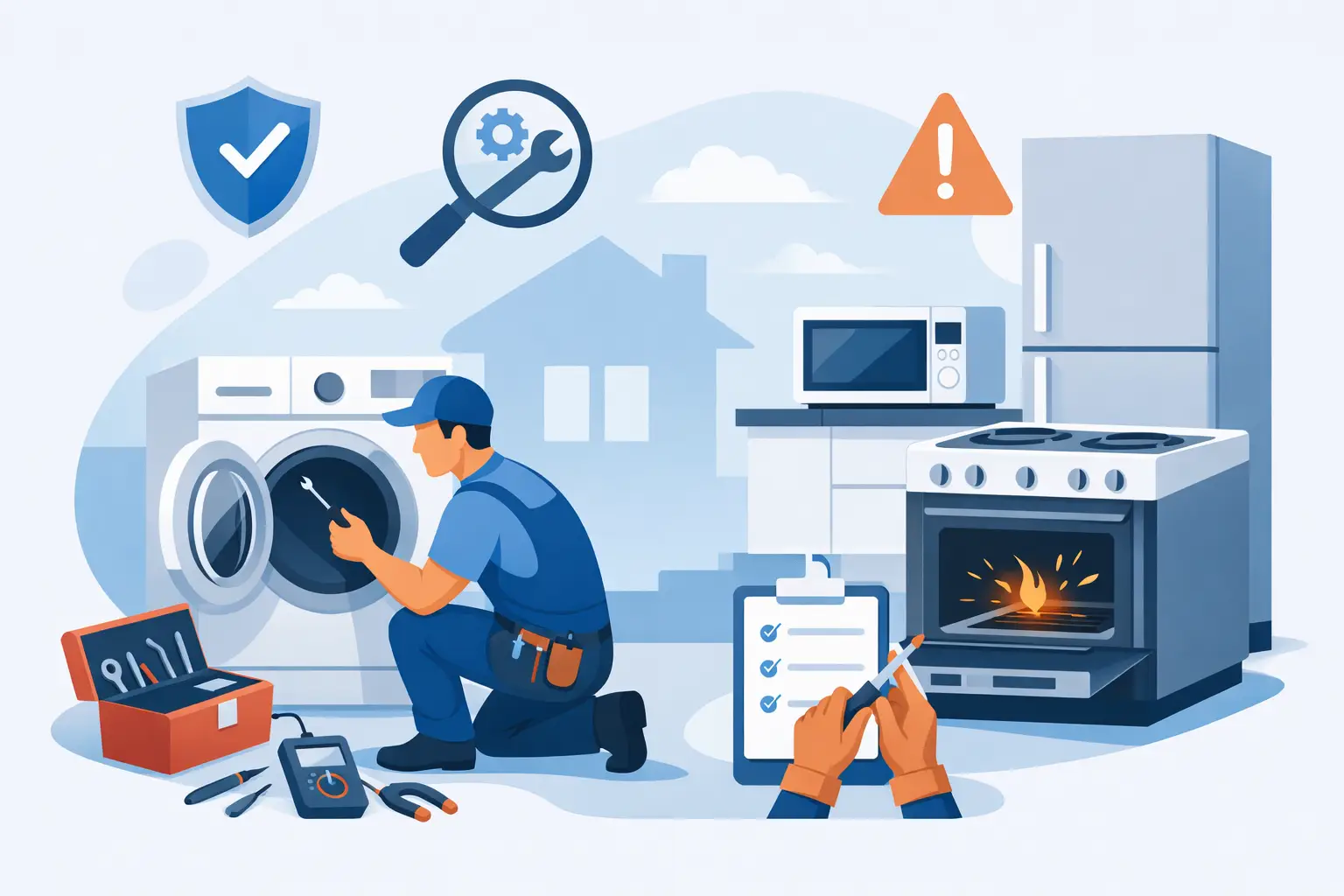
There is a big difference between checking the breaker and opening a gas or electrical appliance. If the oven is hardwired, if the issue involves gas ignition, or if parts need live testing with a meter, professional service is the safer move.
A trained technician can confirm whether the problem is the heating element, igniter, thermostat, sensor, control board, fuse, wiring, or power supply. That matters because symptoms overlap. An oven that does not heat could have one failed part, or it could have a secondary issue that caused the first part to fail.
For busy households and small commercial kitchens, speed also matters. A correct first diagnosis reduces downtime and helps avoid paying for multiple visits to chase the same issue.
What to expect from a professional repair visit
A proper service call should start with symptom review, model-specific diagnosis, and safety checks. The technician will usually test the heating circuit, inspect visible wiring, verify component performance, and confirm whether the unit is receiving the correct power or gas ignition response.
From there, the next step depends on parts availability and the age of the oven. Some repairs are very worthwhile, especially when the appliance is otherwise in good condition. In other cases, if the oven has major electronic failure and is already near the end of its service life, the smarter recommendation may be replacement instead of repair.
A dependable service company should be transparent about that. The goal is not just to replace a part. It is to restore safe, reliable operation without creating more cost or stress than necessary.
Preventing future heating problems
Not every oven failure can be prevented, but a few habits help. Avoid slamming the door, which can affect alignment and internal components over time. Clean spills before they carbonize and interfere with performance. Do not use foil in ways the manufacturer does not recommend, since it can disrupt airflow and heat patterns. If cooking times start changing noticeably, do not ignore it for months. Early symptoms often lead to simpler repairs.
For gas ovens, any delayed ignition, gas odor, or inconsistent heating should be checked promptly. Those are not wait-and-see issues.
Repair or replace?
This is usually the practical question behind every service call. If the oven is newer, the repair is often worth it. If it is older and needs multiple major parts, the math can shift. Brand, model, availability of components, and overall condition all matter.
That is why clear diagnosis comes first. A good repair decision is based on evidence, not guesswork. At Appliance Tech Pros, that means focusing on safe testing, honest recommendations, and getting your kitchen back to normal as quickly as possible.
If your oven is not heating, the best next step is simple: stop experimenting, note the symptoms, and get it checked before a small problem turns into a bigger one. A reliable repair should bring back more than heat – it should bring back confidence every time you turn the oven on.