Dinner plans can fall apart fast when a burner will not light, the flame looks uneven, or you catch a faint gas smell near the range. In those moments, a professional gas stove repair service is not just about convenience. It is about protecting your home, restoring safe cooking, and making sure the problem is handled correctly the first time.
A gas stove is one of the most used appliances in the kitchen, and when it starts acting up, most households feel it right away. For homeowners and small business operators, the real question is not whether the stove matters. It is whether the issue is minor, urgent, or unsafe enough to stop using it immediately.
What a gas stove problem is really telling you
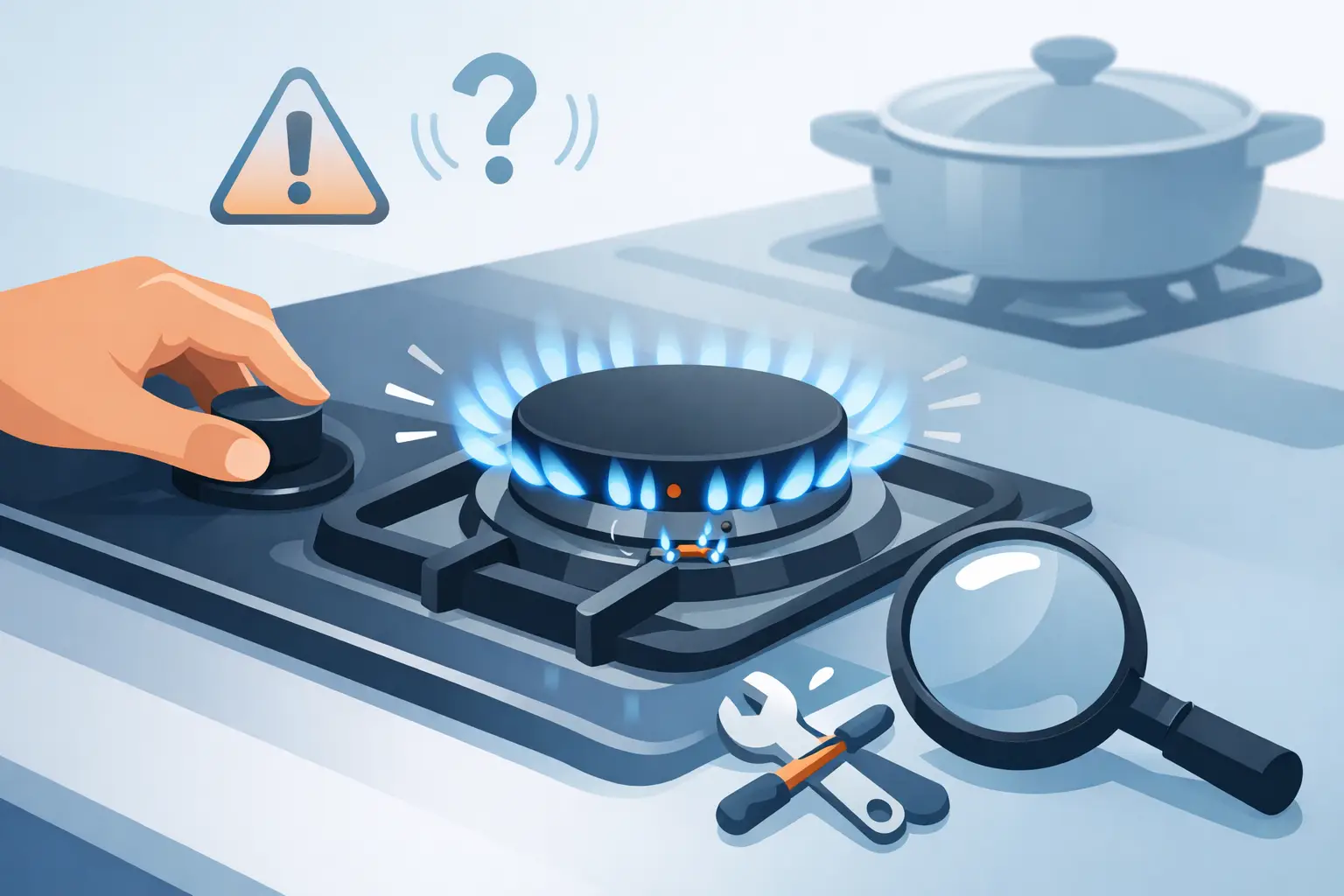
Gas stoves usually give warning signs before they stop working completely. A clicking igniter, weak flame, delayed ignition, burner that keeps going out, or oven that heats unevenly can all point to parts that are dirty, worn, misaligned, or failing. Sometimes the fix is straightforward. Other times, the issue involves gas flow, ignition components, or safety valves that should only be handled by a qualified technician.
That difference matters. A stove can seem like it has a small performance issue when it is actually developing a larger safety problem. For example, a burner that lights late may not seem urgent at first, but delayed ignition can allow gas to build up before the flame catches. A burner with a yellow or orange flame may still heat cookware, but it can signal incomplete combustion, poor air-to-gas balance, or buildup affecting performance.
Signs you need gas stove repair service now
Some symptoms mean you should stop using the appliance and arrange service as soon as possible. The clearest one is a gas odor. If you smell gas, turn off the appliance if it is safe to do so, avoid using open flames or electrical switches nearby, leave the area, and follow proper safety steps before calling for professional help.
Other warning signs are less dramatic but still important. If the igniter keeps clicking after ignition, the burner does not stay lit, knobs feel loose or unresponsive, or the oven does not maintain temperature, the stove is not operating as it should. These are not issues to ignore for weeks. Gas appliances work best when they are serviced early, before wear turns into a larger repair.
For commercial users, speed matters even more. A faulty range in a rental unit, staff kitchen, or small food service setup can disrupt schedules, create safety concerns, and put pressure on daily operations. Fast diagnosis helps reduce downtime and limits the risk of repeat breakdowns.
Common gas stove repairs
Most service calls fall into a few familiar categories. Burner ignition problems are among the most common. Food debris, grease, moisture, and worn ignition parts can all interfere with consistent lighting. In many cases, the burner assembly needs cleaning, adjustment, or part replacement.
Weak or uneven flames are also common. That can happen when burner ports are blocked, pressure is off, or gas flow is being restricted somewhere in the system. If one burner performs differently from the others, it may be a localized issue. If multiple burners are affected, the diagnosis may involve broader gas delivery or control problems.
Oven issues often show up as slow preheating, uneven baking, or temperature swings. Those problems can involve the igniter, safety valve, thermostat, temperature sensor, or control system. The symptoms may seem similar, but the actual cause can vary a lot. That is why proper testing matters more than guesswork.
Then there are mechanical issues such as damaged knobs, broken grates, loose connections, or door seal problems. These may not seem as urgent as ignition failures, but they still affect safety, usability, and cooking results.
Why DIY is not always the cheaper option
It is understandable to look up a quick fix when a stove stops working. Cleaning a removable burner cap or wiping away surface debris is one thing. Disassembling gas lines, replacing ignition components, or trying to adjust gas flow is another.
With gas appliances, the risk is not just damaging the unit. It is creating a hazard that may not show up right away. A part installed incorrectly, a connection left loose, or a misdiagnosed fault can lead to poor combustion, repeat failures, or a leak. The cheaper option upfront can become much more expensive if the stove needs further repair or creates a safety issue.
Professional service also helps avoid the parts-replacement trap. Many stove problems share the same symptoms, and replacing components one by one without testing can waste time and money. Certified technicians diagnose the failure properly, verify safe operation, and confirm the appliance is working as intended before the job is complete.
What to expect from a professional gas stove repair service
A good service visit should bring clarity quickly. The technician should inspect the appliance, test the affected components, explain the issue in plain language, and outline the recommended repair. For customers, that matters almost as much as the fix itself. No one wants vague answers when dealing with a gas appliance.
Safety should be part of every step. That includes checking ignition, burner performance, controls, connections, and overall operation after the repair is made. If replacement parts are needed, you should know what is being changed and why. If the stove is not worth repairing, an honest technician should say that too.
Convenience matters as well. In-home service saves time, especially for families with full schedules or property managers handling tenant issues. Fast appointment availability, clear communication, and warranty-backed workmanship add peace of mind when the stove is an essential part of daily life.
Choosing the right gas stove repair service
Not every appliance company handles gas equipment with the same level of experience. When choosing a provider, look for a team that regularly works on gas stoves, ovens, and ranges, not one that treats them like an occasional side service. Gas appliance knowledge is specialized, and that experience shows in the quality of diagnosis and repair.
It also helps to choose a company that understands compliance and safe service standards. For homeowners, that means confidence that the work is being done responsibly. For landlords and small commercial operators, it means fewer worries about avoidable risk and less chance of recurring issues from incomplete repairs.
Responsiveness is another factor. If the stove is your primary cooking appliance, waiting several days for a callback is frustrating. A reliable company respects the urgency, offers practical scheduling, and arrives prepared to troubleshoot efficiently.
This is where a trusted local team like Appliance Tech Pros stands out. Customers are not just looking for someone who can replace a part. They want certified technicians, prompt service, and the reassurance that the repair is being handled safely in the home or business.
How to reduce future stove problems
Not every repair is preventable, but regular care makes a difference. Keeping burners and caps clean helps maintain proper ignition and flame quality. Spills should be cleaned promptly, especially around burner ports and igniter areas where residue can harden over time.
It also helps to pay attention to small changes. If the flame color shifts, ignition becomes inconsistent, or cooking times start changing, do not wait for the appliance to fail completely. Early service is often simpler and less disruptive than waiting until the stove stops working during a busy week.
For households that cook often or properties with older appliances, periodic maintenance can be a smart move. It gives a technician a chance to spot wear, buildup, or part fatigue before it turns into an urgent breakdown.
When repair makes sense and when replacement may be better
In many cases, repairing a gas stove is the practical choice. If the unit is otherwise in good condition and the issue is tied to a specific component, repair can restore safe performance without the cost of replacement. That is often the best route for quality appliances with plenty of service life left.
But it depends on the age of the stove, the condition of multiple parts, and the repair history. If the appliance has recurring gas or ignition problems, visible wear, or several failing components at once, replacement may be the more cost-effective option. A reliable technician should help you weigh that decision honestly rather than pushing a one-size-fits-all answer.
A stove does not need to stop working completely to deserve attention. If something seems off, trust that instinct. Getting it checked early is one of the simplest ways to protect your kitchen, your routine, and your peace of mind.