A new gas stove or dryer should make life easier, not leave you second-guessing the hookup. A professional gas appliance installation service helps protect your home, your family, and your investment by making sure the appliance is connected properly, tested carefully, and set up to perform the way it should from day one.
Gas appliances are efficient, dependable, and common in both homes and small commercial spaces. But installation is not a simple plug-and-play job. The connection, shut-off valve, gas line condition, venting requirements, clearance, and appliance calibration all matter. If even one part is overlooked, the result can be poor performance, safety concerns, or expensive corrections later.
Why professional gas appliance installation matters
When people think about installation, they often picture the final step – sliding a new range into place or connecting a dryer. The real work starts before that. The installer needs to confirm that the gas supply matches the appliance, that the connection components are appropriate, and that the space itself is ready for safe operation.
That matters because gas appliances operate under strict safety expectations. A loose fitting, wrong connector, blocked vent, or missed leak check can create risks no homeowner or business owner should have to manage alone. Professional installation reduces that risk and gives you confidence that the appliance was set up according to current safety standards.
There is also a performance side to this. An improperly installed gas appliance may still turn on, but that does not mean it is working correctly. You might see uneven heating, weak dryer performance, ignition issues, excess moisture, or premature wear. Good installation protects more than safety – it protects efficiency and appliance lifespan.
What a gas appliance installation service should include
A reliable gas appliance installation service is more than a basic connection. It should begin with an assessment of the appliance type, fuel compatibility, available hookups, and the condition of the surrounding utility setup. If the installer finds a mismatch or a code issue, that should be addressed before the appliance is put into use.
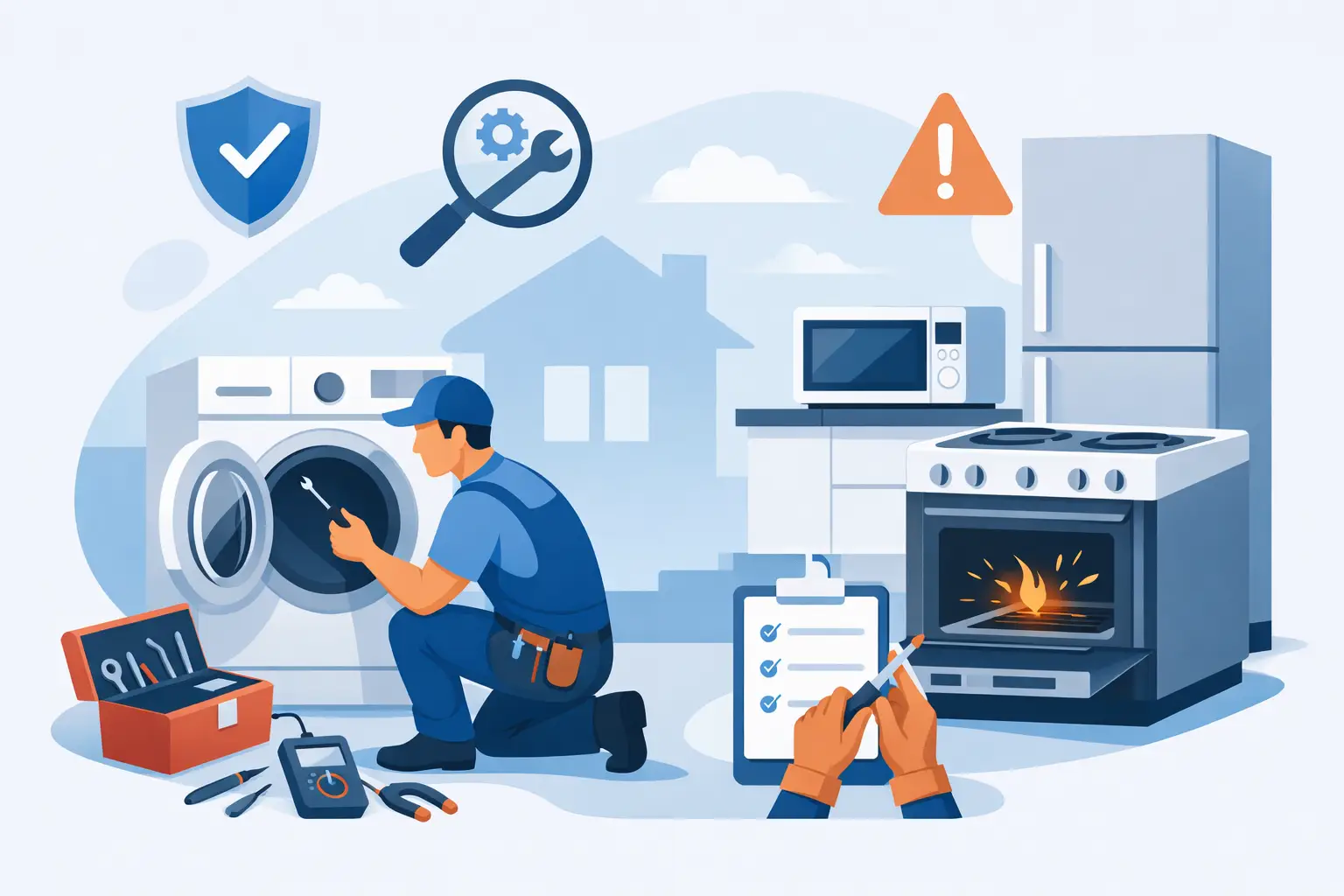
For most residential jobs, the process includes positioning the appliance, securing the proper gas connection, checking shut-off access, testing for leaks, confirming ignition and burner operation, and reviewing venting where required. For gas dryers, that also means paying close attention to exhaust routing and airflow. For gas ranges or ovens, flame quality, leveling, and fit matter more than many people realize.
In commercial settings, the expectations are often higher because downtime costs money and equipment may be used more heavily. A restaurant prep area, small rental property, or shared laundry space needs installation that supports consistent use and minimizes future service interruptions. That is where experience really shows.
Appliances that often require expert installation
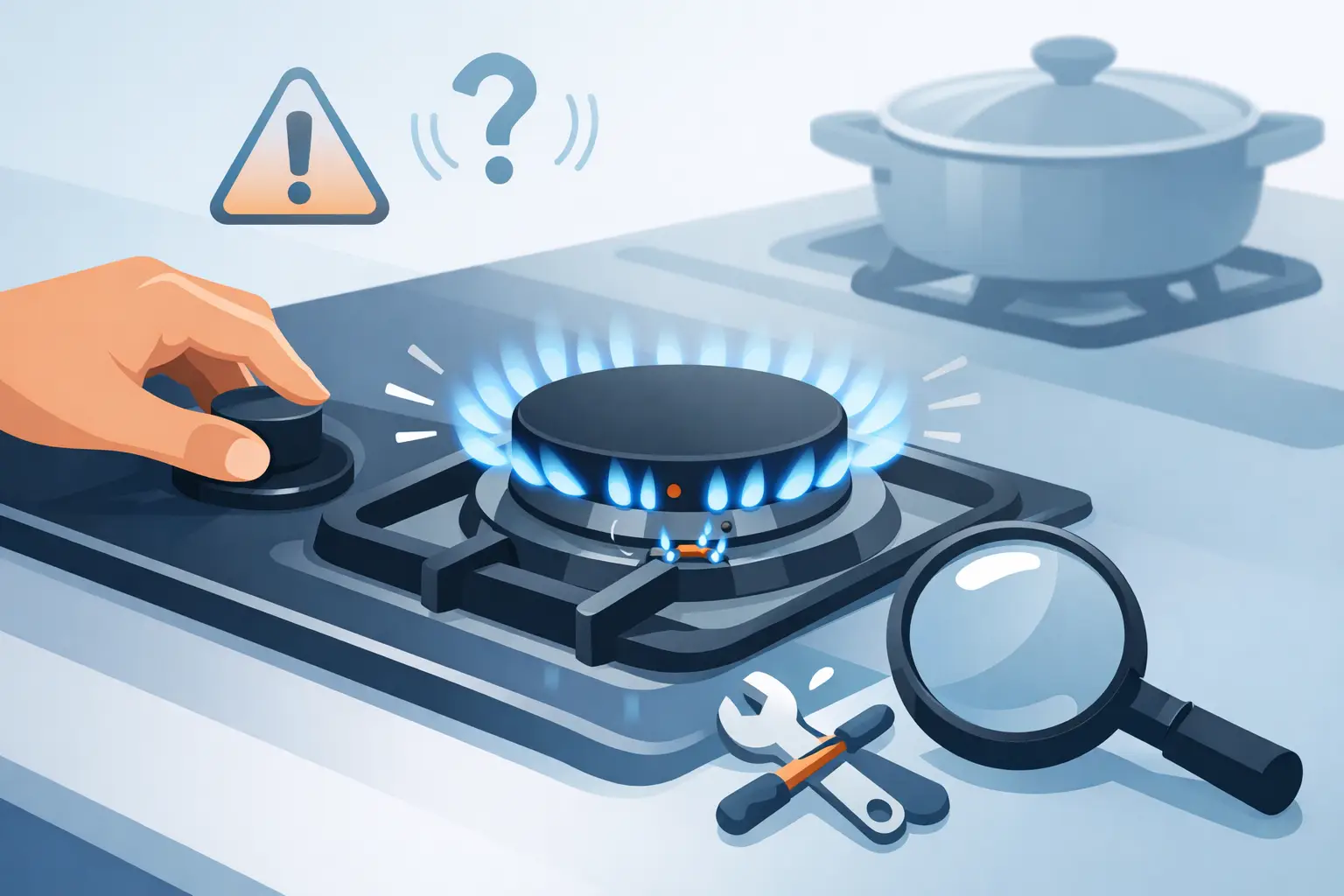
Gas ranges and cooktops are among the most common requests. They look straightforward, but clearance, anti-tip protection, ignition testing, and proper line connection all need to be handled correctly. If the appliance was converted for a different fuel type or came with manufacturer-specific requirements, that adds another layer.
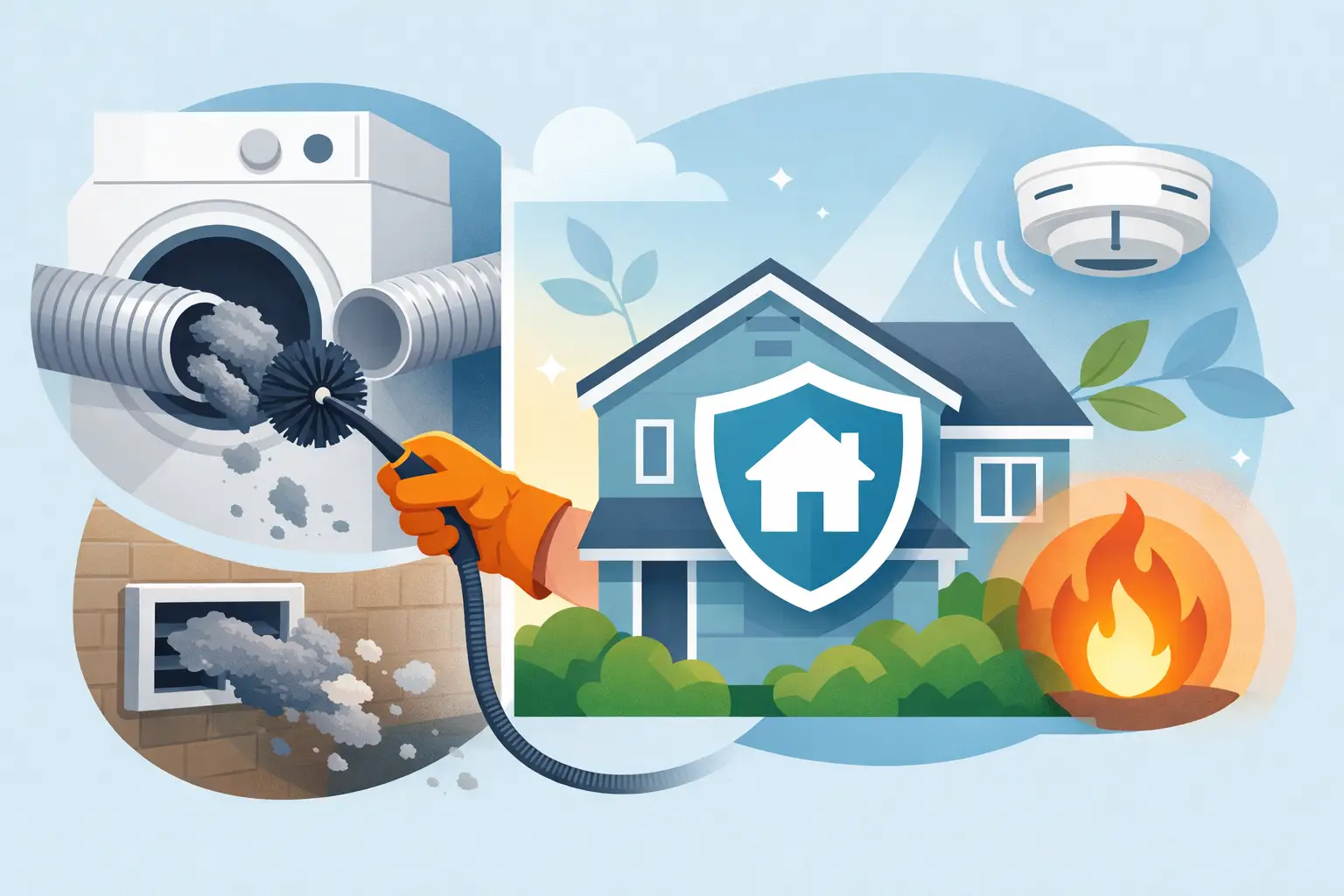
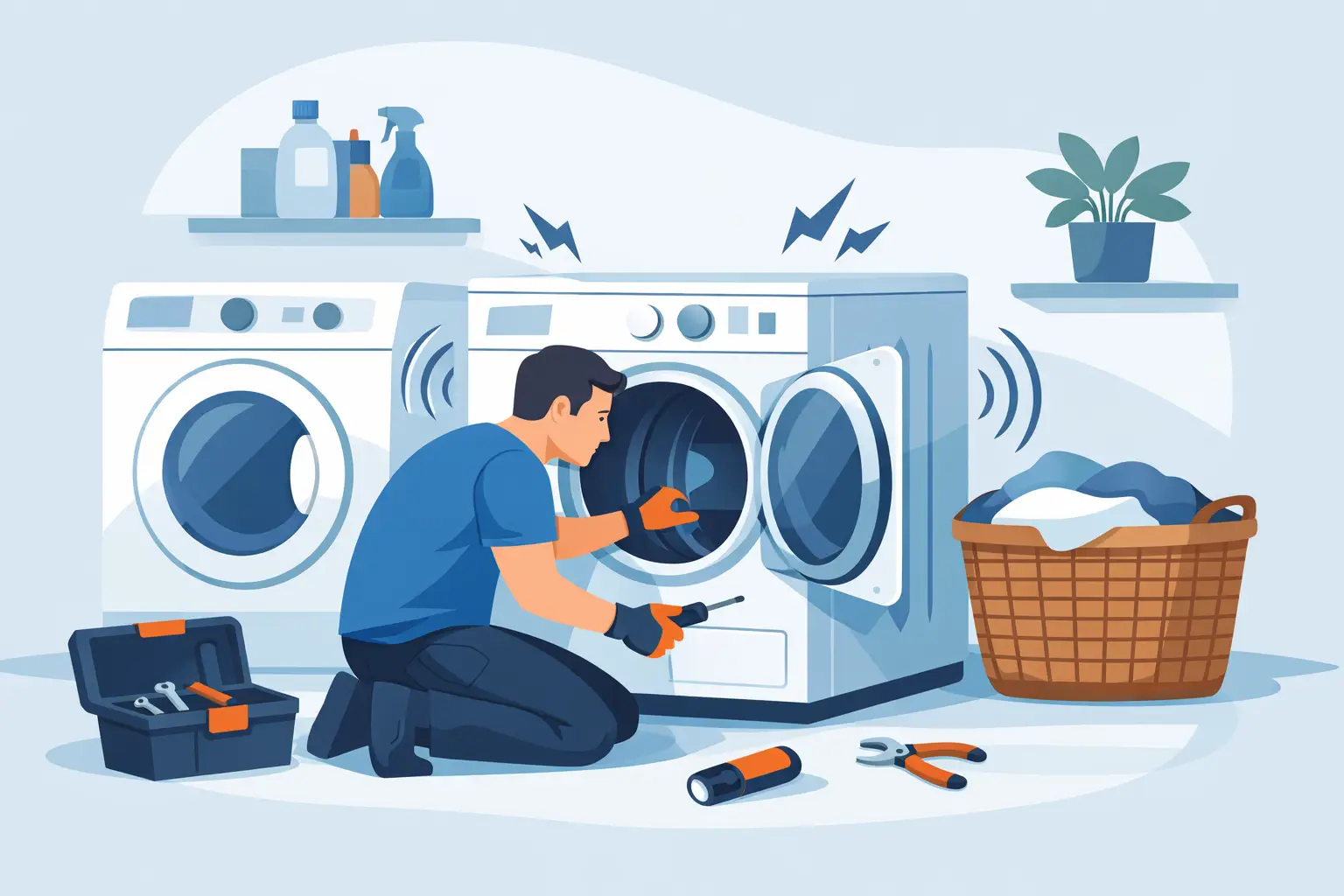
Gas dryers are another frequent installation job. In many cases, people focus on the gas hookup and forget the venting side. Poor vent routing can affect drying time, create heat buildup, and increase lint-related hazards. The appliance may technically run, but not safely or efficiently.
Wall ovens, slide-in ranges, and some commercial-grade units can be more complex because access is tighter and fitment matters. Built-in installations often require extra care to avoid damaging cabinetry, flooring, or utility lines while still leaving the appliance stable and serviceable.
Signs your setup may not be ready
Sometimes the issue is not the new appliance. It is the existing gas line, connector, or space around it. If the previous appliance was old, there is a chance the connection hardware is outdated or worn. If the area has been renovated, moved, or enclosed, the clearances may no longer be appropriate for the appliance being installed.
You may also run into problems if the new unit has different input requirements than the old one. A homeowner might assume a replacement is automatic because the appliance is going in the same spot. In reality, dimensions, venting needs, and gas demand can vary from one model to another.
This is one reason professional installers do not rush. A few extra minutes spent checking the setup can prevent repeat visits, appliance damage, and unsafe operation.
Safety, compliance, and peace of mind
With gas appliances, safety is not a marketing line. It is the job. Homeowners want to know the work was done properly. Property managers want to reduce liability. Small business owners need equipment that works without creating unnecessary risk for staff or customers.
That is why certified, code-aware service matters. In Ontario, installation work should align with applicable safety regulations and technical standards. A provider with real gas appliance experience understands that compliance is not just paperwork. It affects how the appliance is installed, tested, and approved for use.
At Appliance Tech Pros, that safety-first approach is part of the value. Customers are not just paying for a connection. They are paying for trained judgment, careful testing, and the reassurance that the appliance is ready to use with confidence.
Why DIY is rarely worth the gamble
People often consider DIY installation to save time or money. That can be tempting, especially if the appliance appears to fit the existing setup. But gas work leaves very little room for guessing. Even when online tutorials make it look simple, they do not account for the specific conditions inside your home or building.
There is also a practical issue. If the appliance is installed incorrectly, you may end up paying for a second visit to correct the work, replace damaged parts, or address a related issue like poor venting or burner problems. In some cases, improper installation can affect warranty coverage as well.
The better approach is to have the appliance installed correctly from the start. That protects your time and usually costs less than fixing avoidable mistakes later.
Choosing the right gas appliance installation service
Not every appliance company handles gas work with the same depth of experience. When comparing providers, look beyond basic availability. You want technicians who regularly work on gas ranges, ovens, cooktops, and dryers – not just general installers who occasionally take those jobs.
Fast scheduling matters, but it should come with proper workmanship. The best service combines both. Clear communication, professional arrival, transparent pricing, and post-installation testing all make a difference. If a company cannot explain what checks are included, that is worth paying attention to.
It also helps to choose a team that can service the appliance later if needed. Installation and repair are closely connected. A technician who understands common failure points can often spot concerns early and help you avoid future issues.
What to expect on installation day
A good visit should feel organized, not rushed. The technician should confirm the appliance details, inspect the hookup area, complete the installation, test for proper operation, and answer practical questions before leaving. If something in the setup needs correction before installation can proceed, that should be explained clearly.
You should also expect the area to be treated with care. In-home service is not just technical work. It is service in your personal space, and that means showing up on time, working cleanly, and respecting your home or business.
Once the appliance is installed, basic guidance is useful. That may include showing you shut-off access, reviewing burner behavior, or pointing out venting concerns to monitor over time. Those small details help customers feel more confident using the appliance right away.
When installation and repair overlap
Sometimes a new installation uncovers an old problem. A weak gas valve, damaged connector, poor vent path, or previously hidden wear can become obvious once the old unit is removed. That does not mean the job went wrong. It means the installer caught something before it turned into a larger issue.
This is another advantage of working with an experienced service company. If installation reveals a repair need, the next step is usually clear. Instead of juggling multiple contractors, you have one team that understands the appliance, the hookup, and the safest path forward.
A dependable gas appliance installation service should leave you with more than a working machine. It should leave you feeling certain that the appliance was installed safely, tested properly, and set up to serve your home or business well. When gas is involved, peace of mind is not extra – it is part of the service.