A refrigerator that stops cooling can put a week of groceries at risk. A dryer that takes two cycles can quietly become a fire concern. This home appliance repair guide helps you separate the quick checks worth making from problems that need a trained technician, so you can protect your home, your budget, and your family.
The goal is not to turn every homeowner into an appliance repair specialist. Modern appliances combine electrical components, water connections, heating elements, control boards, and, in some cases, gas lines. A careful first look can save time, but knowing when to stop is just as valuable.
Start With Safe, Simple Checks
Before assuming an appliance has failed, check the basics. Confirm that it has power, that the circuit breaker has not tripped, and that the outlet is working. If an appliance is plugged into a GFCI outlet, such as one near a kitchen sink or laundry area, check whether the outlet needs to be reset.
For appliances that use water, look for a closed supply valve, a kinked hose, or a clogged filter. For appliances that generate heat, check for blocked vents, heavy lint buildup, or a door that is not closing fully. These conditions can cause poor performance without requiring a major repair.
Always unplug an electric appliance before inspecting accessible areas. Turn off the water supply before checking hoses or connections. If you smell gas, hear hissing near a gas line, or suspect a gas leak, leave the area, avoid switches and open flames, and contact your gas utility or emergency service from a safe location. Do not attempt to diagnose or repair a gas appliance yourself.
When a Home Appliance Repair Guide Says Stop
There is a clear line between basic troubleshooting and repair work that creates unnecessary risk. Stop and arrange professional service if you notice burning odors, smoke, sparks, repeated breaker trips, standing water near electrical connections, damaged power cords, or signs of a gas leak.
The same rule applies when an appliance must be disassembled to reach wiring, heating components, sealed refrigeration parts, or internal gas connections. A repair may look simple in a video, but the correct diagnosis often depends on electrical testing, manufacturer specifications, and safe reassembly. A wrong replacement part or loose connection can create a larger and more expensive problem.
Microwaves deserve special caution. Even when unplugged, internal components can store a dangerous electrical charge. Refrigerators also involve sealed cooling systems that should be handled only by qualified technicians. For gas ovens, stoves, and dryers, professional service is the safest choice whenever ignition, flame quality, gas flow, or venting is involved.
Common Appliance Problems and What They Usually Mean
Refrigerator Is Warm or Running Constantly
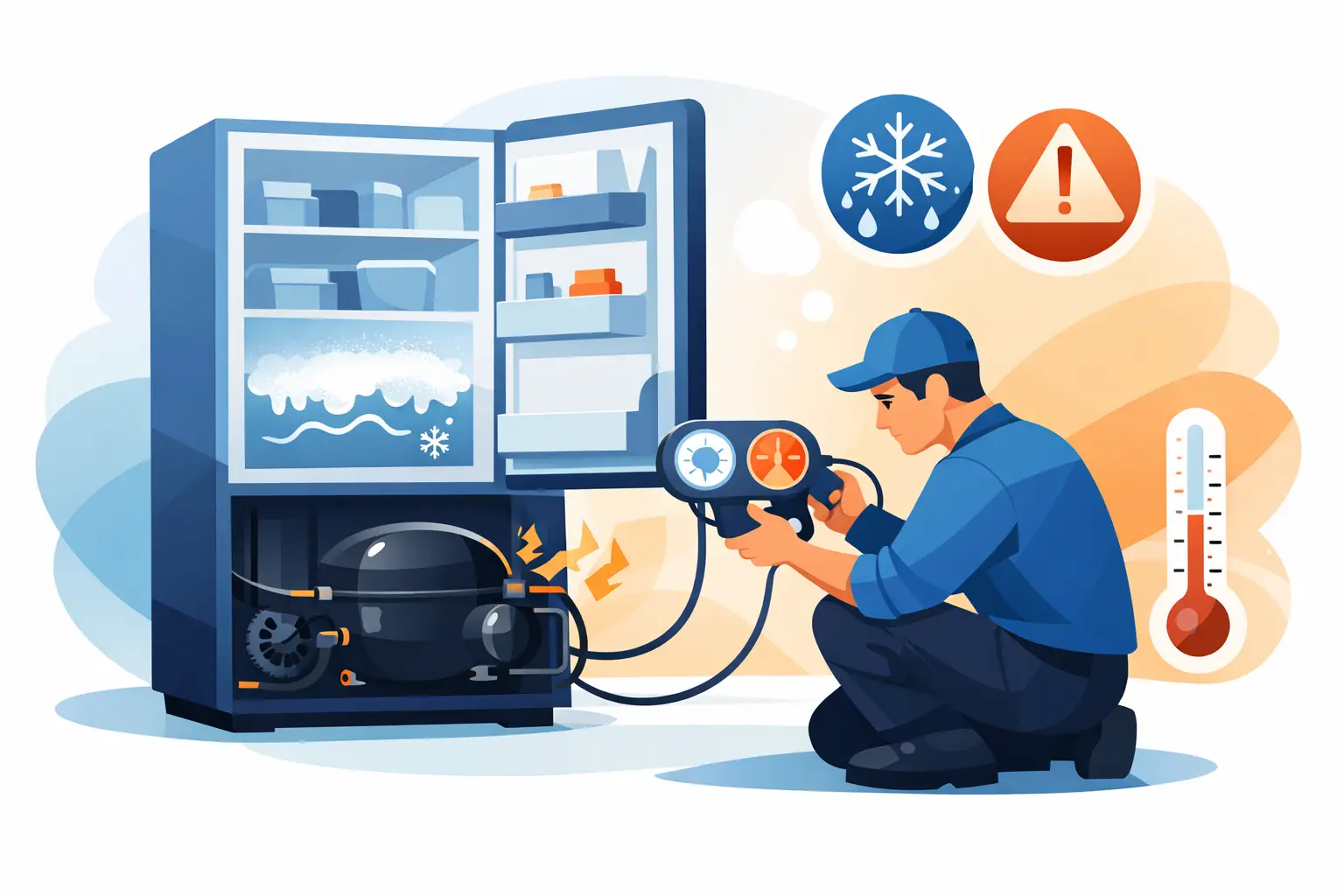
First, make sure the controls have not been changed and that food packages are not blocking interior vents. Check that the doors close tightly and that the condenser area is not packed with dust or pet hair. A refrigerator needs room for air to circulate, both inside the cabinet and around the appliance.
If the refrigerator is still warm, develops excessive frost, leaks, clicks repeatedly, or runs almost nonstop, the cause could range from a failed fan or defrost issue to a compressor or control problem. Because spoiled food and water leaks can quickly disrupt a household, this is usually a repair worth scheduling promptly.
Washer Will Not Drain, Spin, or Fill
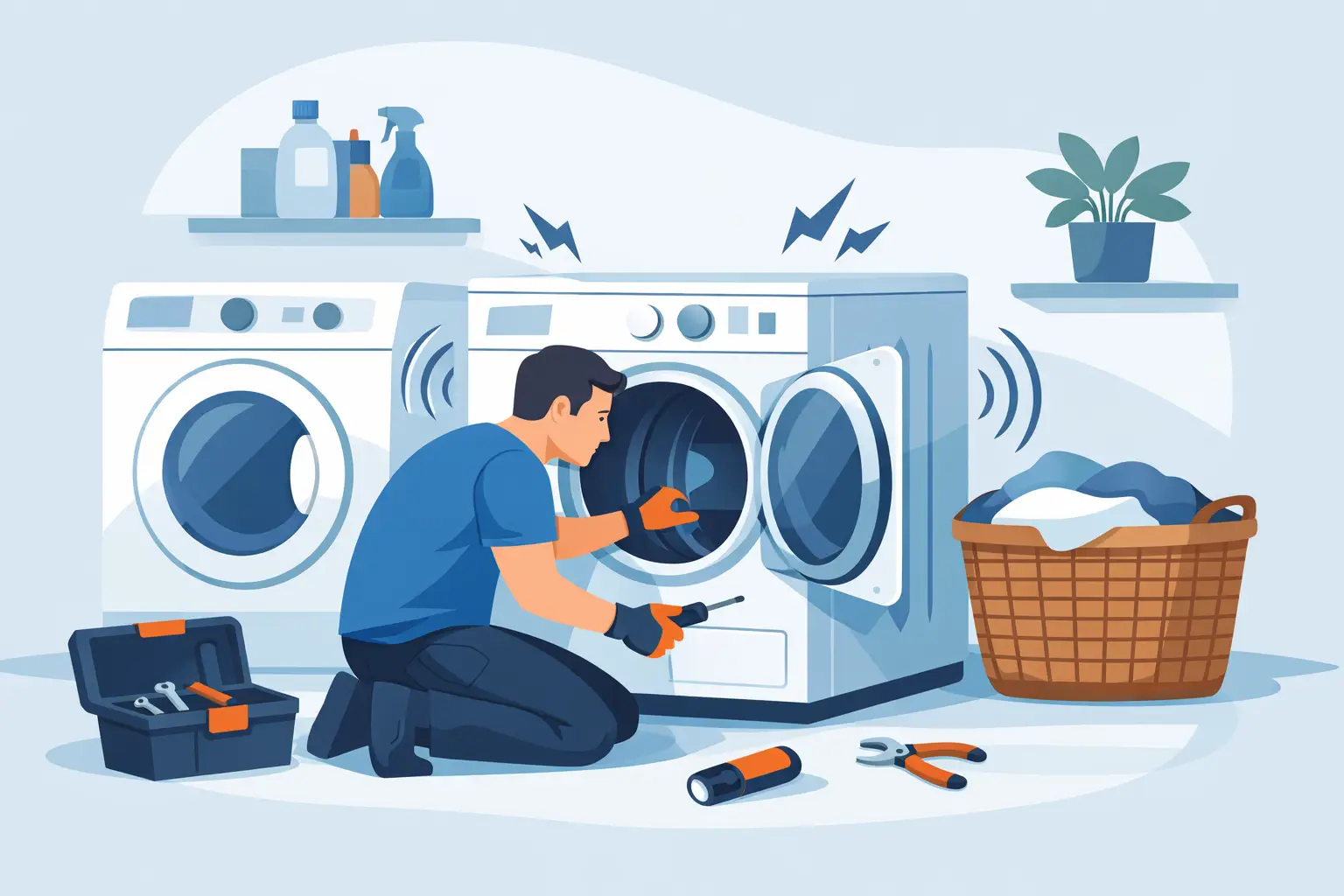
A washer that will not start may have an unlatched door, an unbalanced load, or a power issue. If it will not drain, check the drain hose for kinks and make sure the standpipe is not overflowing. Do not force the door open or tip the machine over, especially if it contains water.
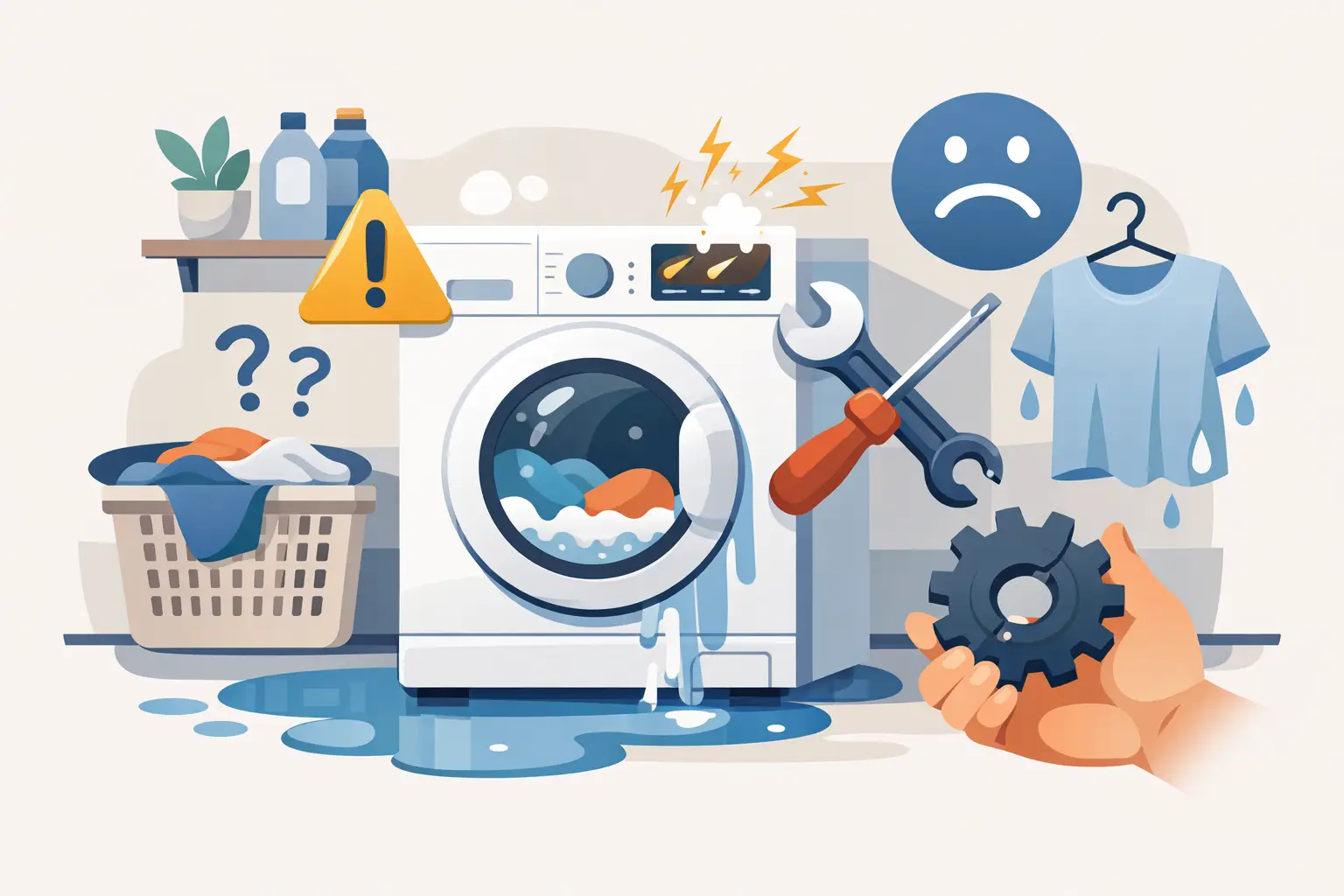
Grinding, loud banging, repeated error codes, leaks underneath the machine, or a drum that will not turn normally point to a problem beyond routine maintenance. Hoses, pumps, belts, suspension components, lid locks, and electronic controls can all cause similar symptoms. Proper diagnosis prevents replacing a part that was never the real issue.
Dryer Takes Too Long or Gets Too Hot
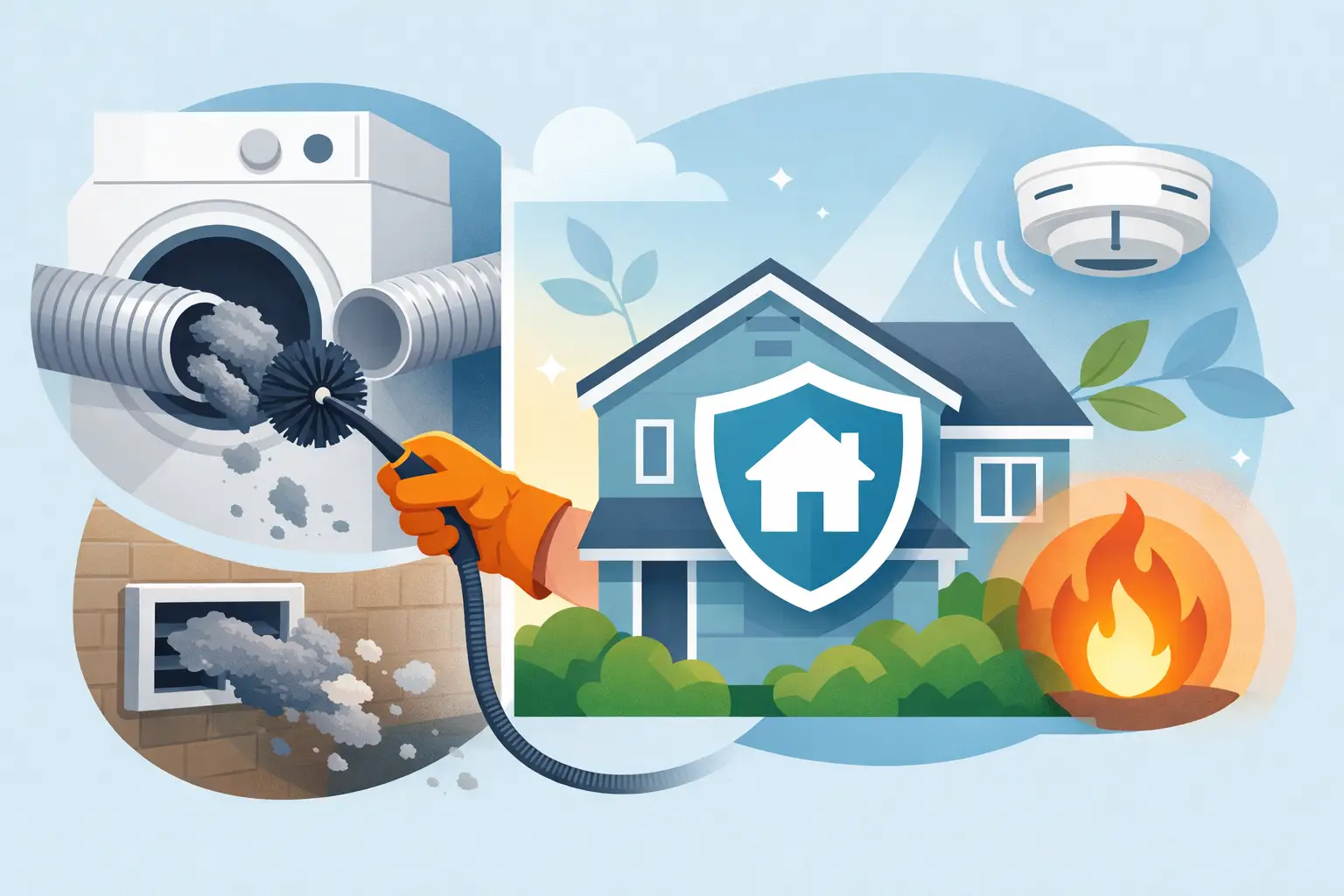
Clean the lint screen before every load, and check the exterior vent flap while the dryer is running. It should open freely and release air outdoors. A crushed, disconnected, or blocked vent can make drying slow and cause the appliance to overheat.
If cleaning the lint screen does not restore normal drying, stop using the dryer until the venting and appliance are inspected. Heat problems can involve airflow restrictions, thermostats, heating elements, igniters, or gas components. With gas dryers, any gas odor or ignition concern requires immediate professional attention.
Dishwasher Leaves Water or Dishes Dirty
Start by checking the filter, spray arms, and detergent dispenser for visible debris. Confirm that the water supply valve is open and that the sink drain is not backing up. Some drainage complaints are caused by a clogged filter, while others come from a drain pump, float switch, inlet valve, or control issue.
Water collecting beneath the dishwasher, a door that will not latch, or a dishwasher that trips power should not be ignored. Even a slow leak can damage flooring and cabinets before it becomes obvious.
Oven or Stove Will Not Heat Correctly
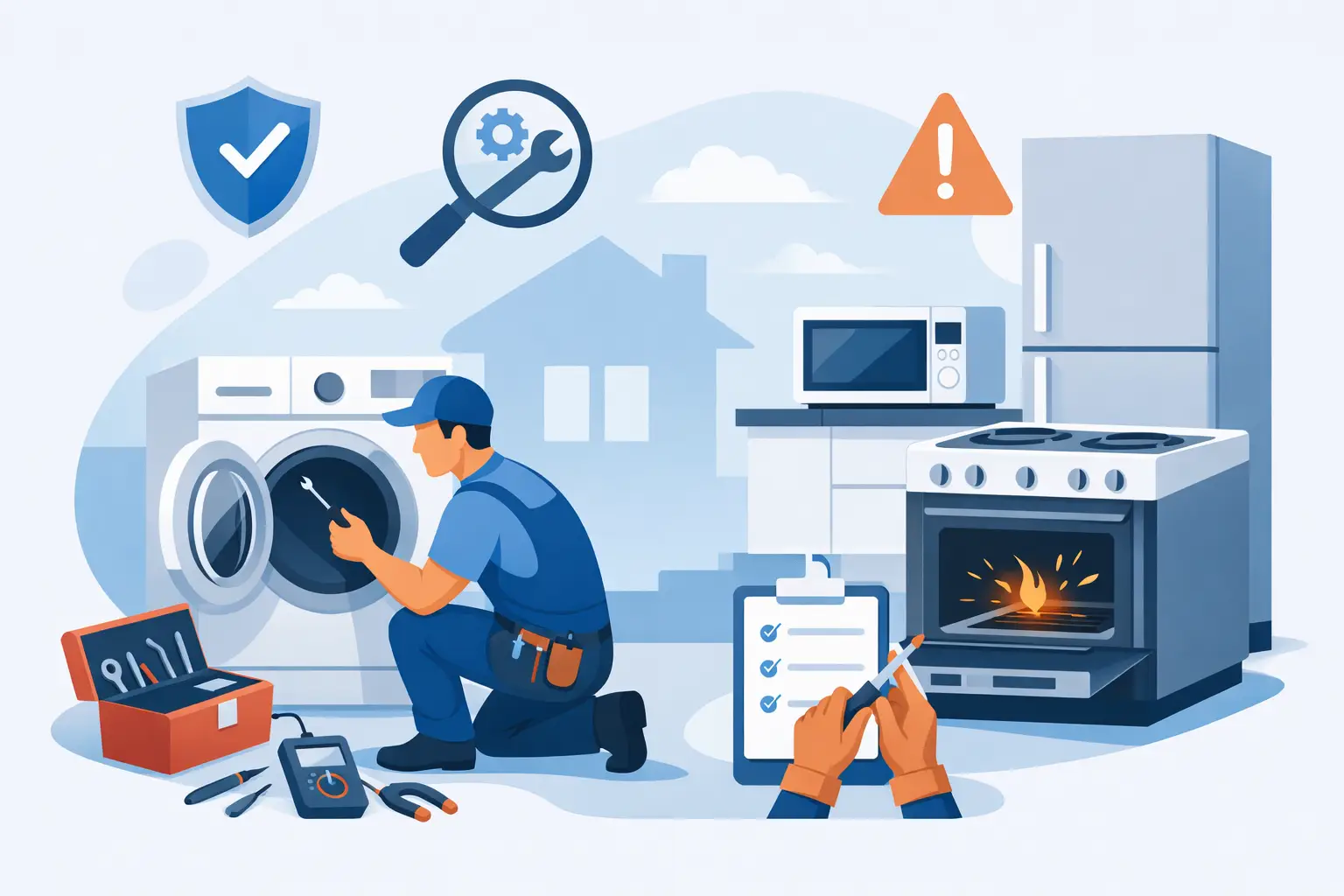
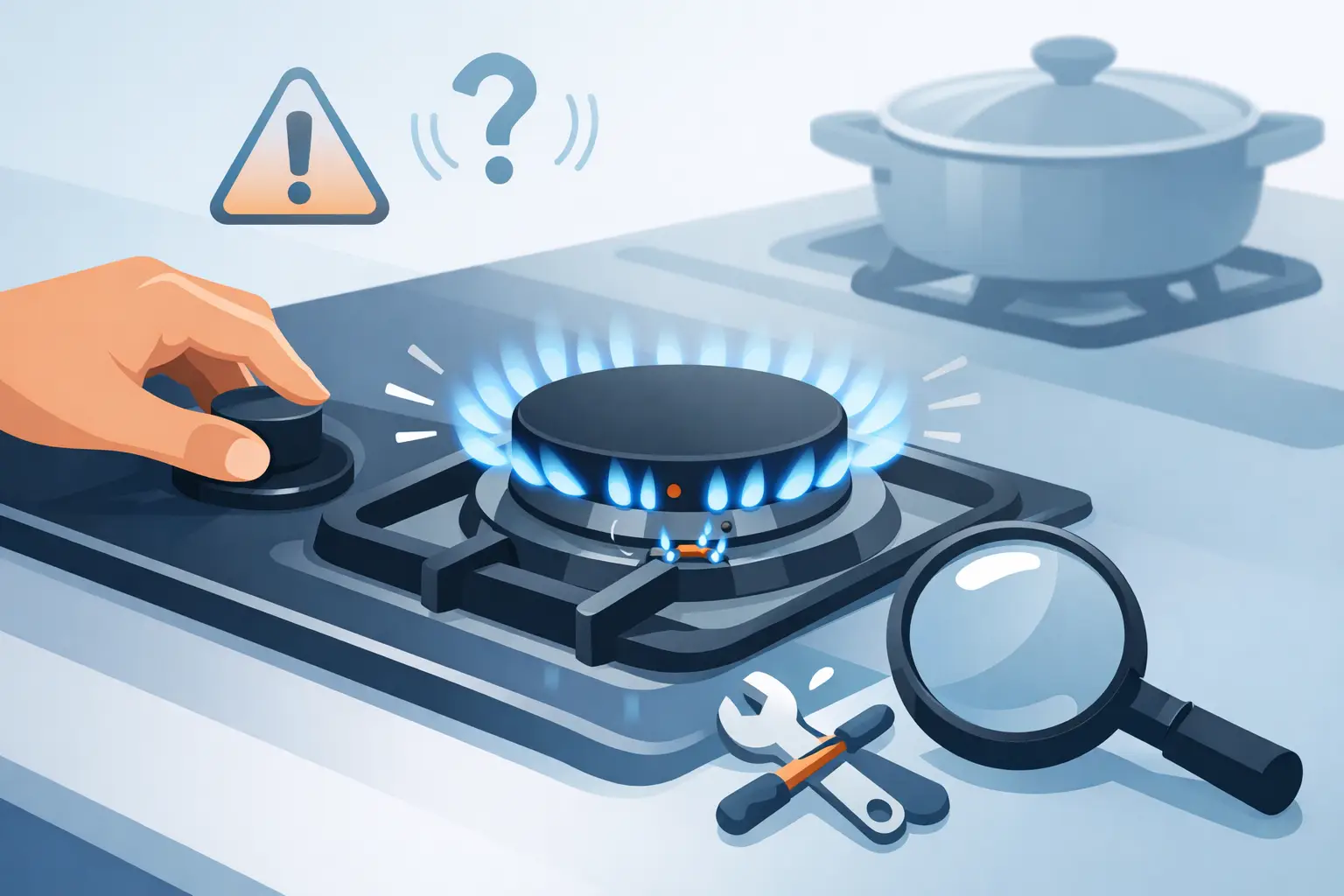
An electric oven may heat unevenly because of an element, sensor, wiring, or control issue. A gas range may have burner ports that need careful cleaning, but weak flames, delayed ignition, clicking that continues after lighting, or a gas smell are not do-it-yourself repairs.
Cooking appliances combine heat, electricity, and sometimes gas. For your safety, avoid removing panels or adjusting gas connections. A certified technician can test the appliance, confirm safe operation, and replace the failed component correctly.
Repair or Replace? Make the Decision With the Full Picture
Age matters, but it should not be the only factor. A newer appliance with a worn door seal, clogged drain pump, broken heating element, or failed switch is often well worth repairing. Replacing it may cost far more than restoring reliable operation.
Replacement may make more sense when an appliance has repeated major failures, has severe corrosion or cabinet damage, cannot get a key part, or needs an expensive repair near the end of its expected service life. Energy use can also matter, particularly with an older refrigerator or heavily used commercial equipment.
Before deciding, consider the repair estimate, the appliance’s condition, the availability of parts, and whether the repair is backed by a workmanship warranty. A professional diagnosis gives you a clearer decision than guessing based on a symptom alone.
Prevent Breakdowns With Routine Care
A little maintenance helps appliances run more efficiently and can reduce avoidable service calls. Keep refrigerator door gaskets clean, vacuum accessible dust from the condenser area, and avoid overpacking the cabinet. Clean washer detergent drawers and leave the door or lid open after use when appropriate to help moisture escape.
For dishwashers, clear the filter regularly and use the right detergent for your water conditions. For dryers, clean the lint screen every load and have the complete vent path checked when drying times increase. Do not overload washers, dryers, or dishwashers. Overloading places extra stress on motors, bearings, racks, and door components.
Pay attention to small changes. A new vibration, a brief burning smell, a slower cycle, or an occasional error code is often easier and less costly to address before the appliance stops working entirely.
Get the Right Help When the Stakes Are Higher
Urgent appliance failures do not wait for a convenient moment. A refrigerator issue can threaten food storage, a washer leak can damage a home, and a stove problem can affect safety. For busy households and small businesses, fast, qualified service is often the most practical path back to normal.
Appliance Tech Pros provides professional in-home support for major kitchen and laundry appliances, including gas appliance concerns that require careful, safety-focused attention. A trained technician can identify the cause, explain the repair clearly, and help you move forward with confidence rather than uncertainty.
When an appliance gives you a warning sign, trust the simple checks, respect the safety limits, and act early. The right repair at the right time can protect the appliances that keep your home moving.