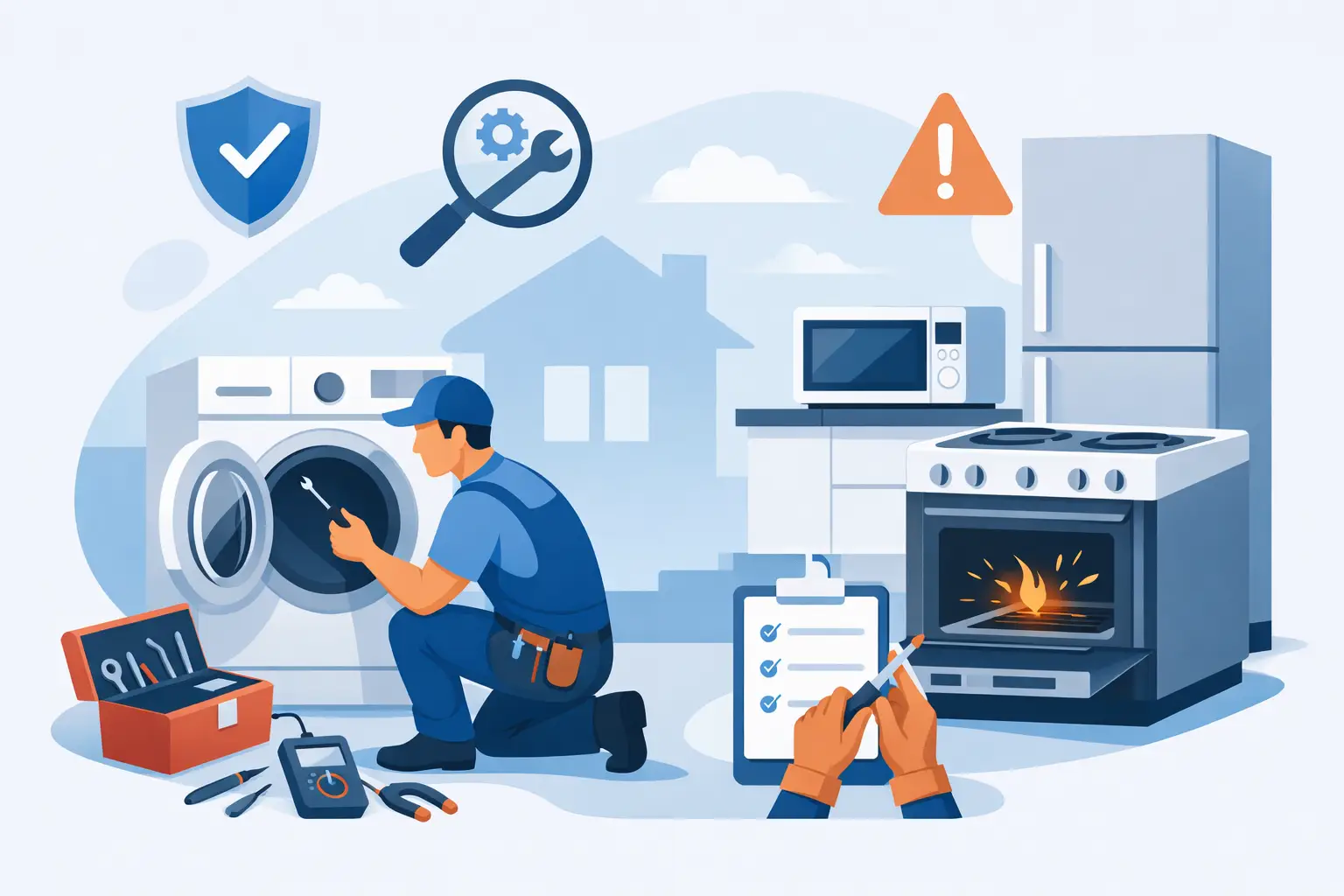
A burner that will not heat can stop dinner plans fast. But gas vs electric stove repair is not simply a matter of changing a part. The appliance may show the same symptom – a burner that will not turn on, uneven heat, or a faulty oven – while the cause, safety risk, and repair process are very different.
For homeowners and small commercial kitchens, knowing the difference helps you respond appropriately. Some basic checks are reasonable. Others, especially anything involving gas connections or high-voltage electrical components, should be handled by a qualified appliance technician.
Gas vs Electric Stove Repair: The Main Difference
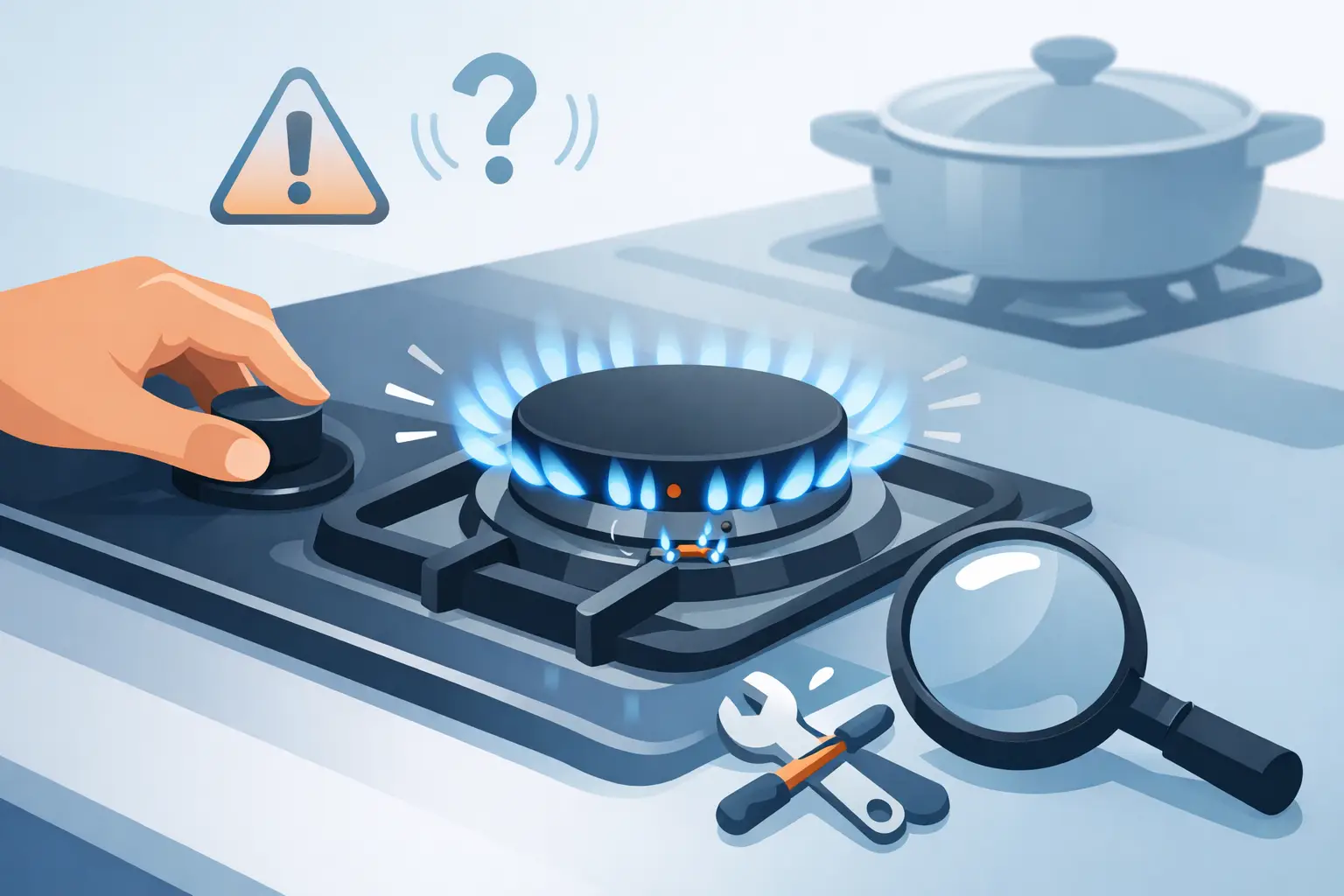
Gas stoves create heat through fuel and ignition. When you turn a burner knob, gas flows to the burner and an igniter creates a spark to light it. Electric stoves create heat when electrical current passes through a coil, radiant element, or induction component.
That difference affects every stage of service. A gas stove technician must inspect ignition, burner flow, valves, regulators, and gas connections. An electric stove technician traces power through elements, switches, wiring, relays, sensors, and the control board. Both require accurate troubleshooting, but gas appliances add combustion and leak-related safety concerns.
The right repair is rarely obvious from the symptom alone. For example, a gas burner that clicks continuously may have moisture around the igniter, a dirty burner cap, a damaged electrode, or a faulty spark module. An electric burner that stays cold may have a failed element, a bad infinite switch, a loose connection, or insufficient voltage at the terminal block.
When a Gas Stove Needs Professional Attention
A gas stove should produce a steady blue flame after ignition. A small amount of orange can occur when dust or humidity is present, but a persistent yellow, weak, uneven, or unusually large flame needs attention. It can signal burner blockage, incorrect air-to-gas adjustment, or another issue that affects safe operation.
The most urgent warning sign is the smell of gas. Do not try to locate a leak with a lighter, candle, or any open flame. Avoid operating electrical switches or appliances nearby. If it is safe to do so, leave the area, shut off the gas supply only if you know how to do it safely, and contact the appropriate emergency utility resource or a qualified gas appliance professional.
Other gas stove problems that deserve prompt service include burners that will not ignite, delayed ignition with a noticeable puff or pop, a burner that keeps clicking after it lights, and an oven that does not maintain temperature. These issues may be caused by components that look simple but require careful testing and correct reassembly.
Checks You Can Make Before Scheduling Service
If there is no gas odor or visible damage, check whether the burner cap is centered and seated properly. Food spills and moisture can prevent reliable ignition, so allow the cooktop to cool and clean the burner area according to the manufacturer’s instructions. You can also confirm that the appliance has power, since many gas ranges need electricity for electronic ignition and oven controls.
If those checks do not solve the problem, stop there. Removing valves, disconnecting gas lines, or attempting to bypass an igniter is not a safe DIY repair.
Common Electric Stove Problems and Their Causes
Electric stoves do not use combustible fuel, but they still carry serious electrical and burn risks. A range commonly operates on a dedicated 240-volt circuit. Turning a knob off does not make internal components safe to handle, and a damaged wire or terminal can overheat inside the appliance.
A single burner that will not heat is often related to the surface element or its control. On coil-top models, an element may be visibly warped, damaged, or not fully seated in its receptacle. On smooth-top ranges, the radiant element sits beneath the glass and may require disassembly and electrical testing to diagnose correctly.
If the whole cooktop or oven is not working, the problem may be at the circuit breaker, power cord, terminal block, control board, or incoming power supply. A range can appear partly functional when it is missing one side of its 240-volt supply. For instance, the display and light may work while bake elements or surface burners fail to heat normally.
Burners that heat too high, cycle unpredictably, or remain hot after being turned down can indicate a failing switch, relay, or electronic control. Do not keep using a burner that cannot be controlled. Turn off power at the breaker and arrange service, particularly if you notice smoke, a burning odor, discoloration, or a hot control panel.
Repair Cost Depends on the Failure, Not Just the Fuel Type
Homeowners often ask whether gas or electric stove repairs cost more. The honest answer is that it depends on the failed component, appliance design, part availability, and extent of damage.
A basic burner cap adjustment or accessible igniter issue may be straightforward on a gas cooktop. But repairs involving a gas valve, regulator, manifold, or oven safety system require more specialized handling. On electric ranges, replacing an accessible coil element can be relatively simple, while a cracked glass cooktop or failed electronic control board can be a more substantial repair.
Age matters too. A well-maintained stove with a single failed part is often worth repairing. If an older range has repeated burner failures, corroded wiring, a damaged cooktop, and declining oven performance, replacement may make better financial sense. A technician can identify the specific failure and help you make a practical repair-versus-replacement decision before you spend money on unnecessary parts.
Why Accurate Diagnosis Protects Your Kitchen
Replacing a part based only on a symptom can waste time and create new problems. A gas burner that will not light may not need a new igniter if the burner head is blocked. An electric element that will not heat may be functional, while the real issue is a burned receptacle or failed control.
Professional diagnosis includes checking the appliance’s operation as a system. That means verifying power or gas supply, inspecting visible components, testing relevant parts, and confirming proper performance after the repair. For an oven, it also means checking whether it reaches and holds the selected temperature rather than assuming it works because the element glows or the burner lights.
This is especially valuable for rental properties and small commercial operations, where a poorly completed repair can lead to recurring service calls, tenant complaints, interrupted meal service, or avoidable safety concerns.
Safe Habits That Help Prevent Stove Repairs
Regular cleaning and correct use can reduce common failures on both types of stoves. Keep spillovers from building up around gas burner ports and igniters. Use cookware that sits flat and matches the burner size. Avoid dragging heavy pots across a glass electric cooktop, and never use a damaged burner or cracked surface.
For gas ranges, do not cover burner openings with foil or use oversized cookware that traps excessive heat around controls. For electric ranges, keep pots dry on the bottom and avoid placing heavy items on the cooktop. If the appliance has a self-clean cycle, follow the manufacturer’s instructions carefully, since extreme heat can expose weaknesses in older control components.
Most importantly, pay attention when performance changes. A burner that takes longer to light, an oven that suddenly cooks unevenly, or a breaker that trips more than once is giving you useful information. Addressing a small issue early is usually easier than waiting for a complete failure.
Choosing the Right Service for Your Stove
Whether your appliance uses gas or electricity, the goal is the same: restore reliable cooking without compromising safety. Choose a repair provider with experience in your stove type, clear communication about the diagnosis, and workmanship that stands behind the completed repair.
Appliance Tech Pros provides practical in-home stove and oven service designed to reduce disruption and help customers make informed decisions. If you have a suspected gas leak, electrical burning smell, sparking, or a burner that will not turn off, treat it as a priority rather than a problem to work around.
Your stove does not need to fail completely before it deserves attention. Scheduling service when the first warning signs appear can protect your kitchen, preserve the appliance, and bring back the peace of mind that dinner will not be interrupted by another unexpected breakdown.