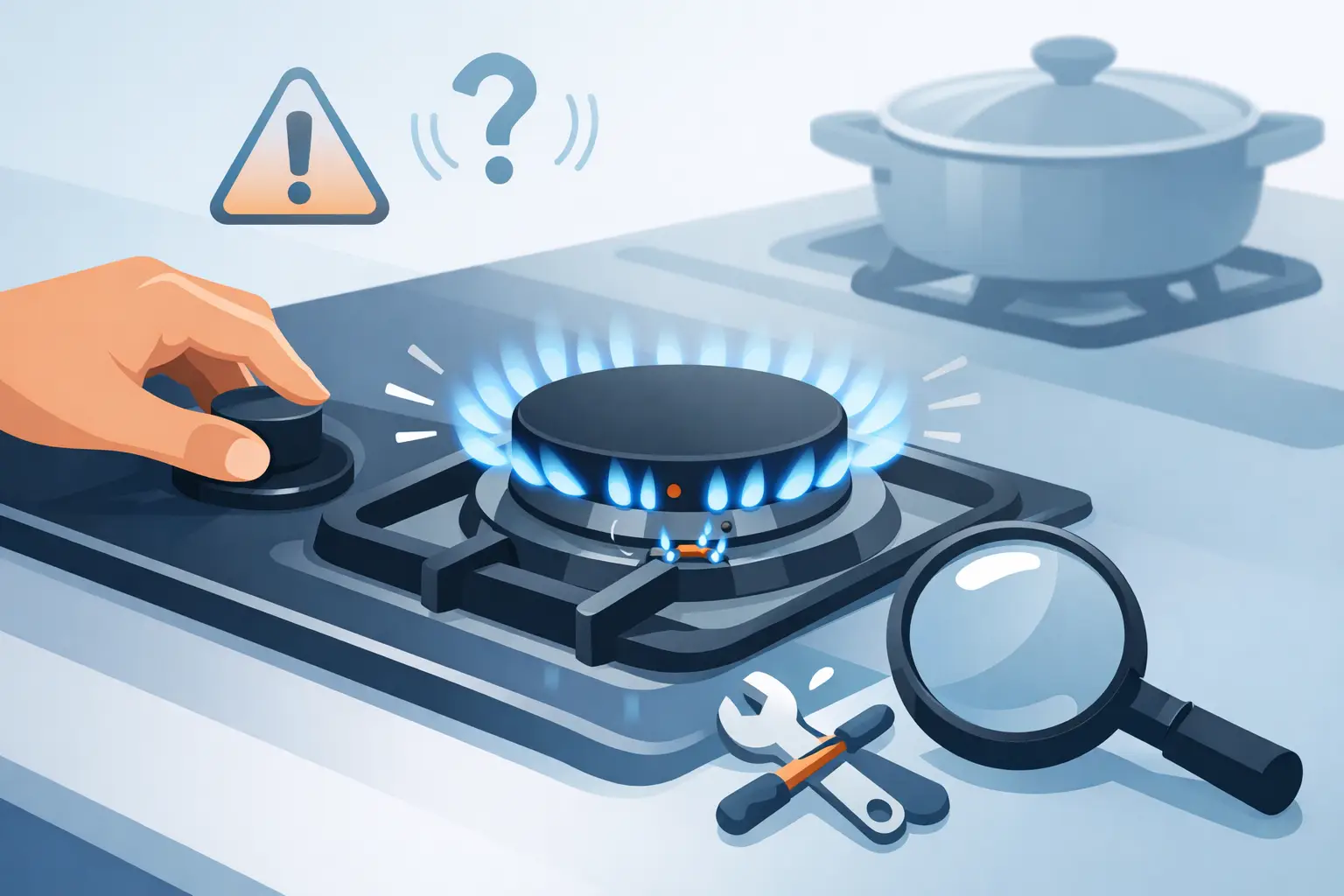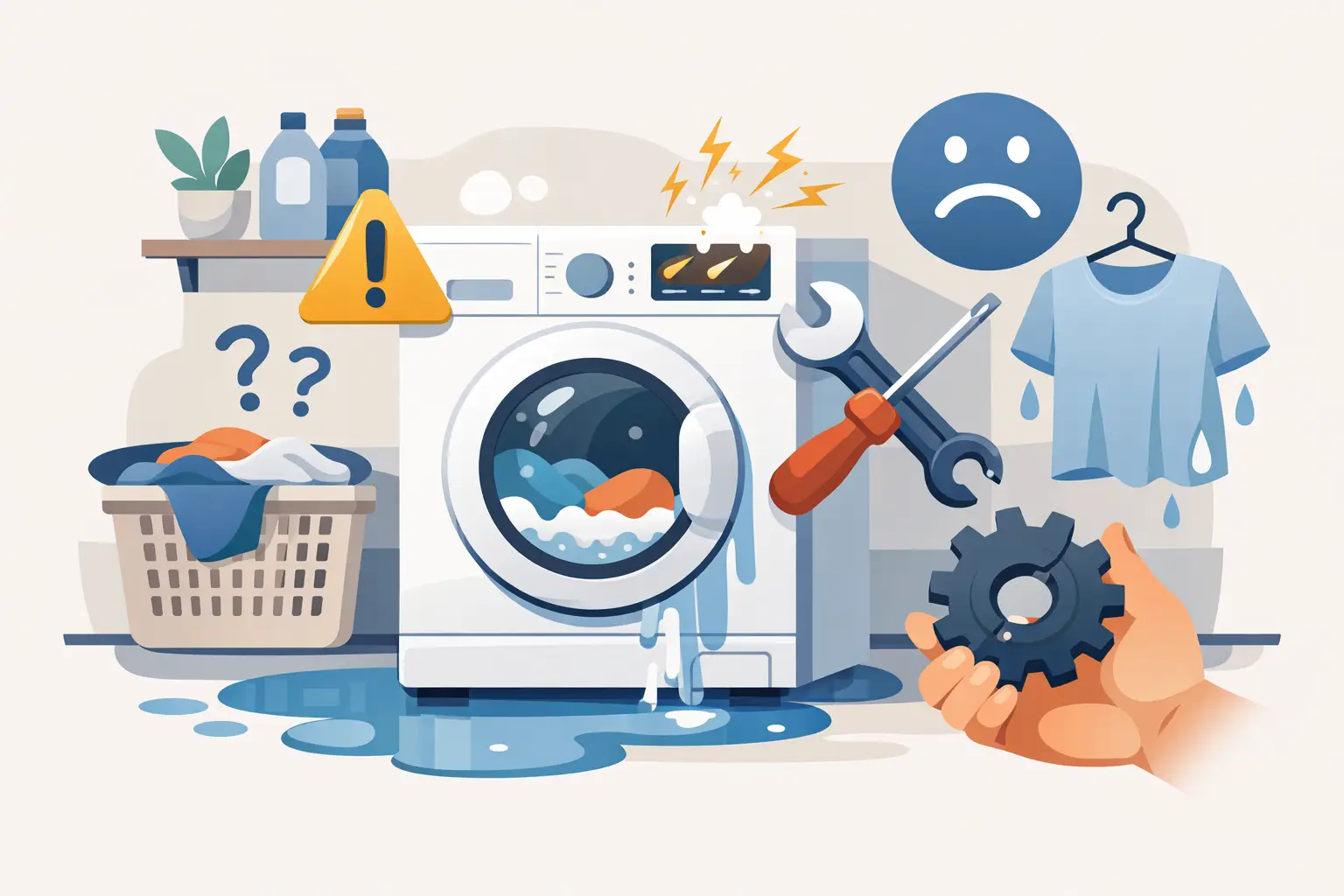
A gas stove that will not ignite or a dryer that smells like gas turns an ordinary day into a safety decision fast. That is where tssa licensed appliance repair matters. When a gas appliance is involved, you are not just hiring someone to replace a part. You are trusting a technician to diagnose the issue correctly, work to code, and leave your home or business safe to use.
What tssa licensed appliance repair actually means
In Ontario, the Technical Standards and Safety Authority oversees safety standards connected to fuels and related equipment. For customers, that matters most when the appliance uses gas. A technician providing tssa licensed appliance repair is not simply offering general handyman help. They are working within a regulated framework tied to fuel safety, installation requirements, and service standards.
That distinction is easy to overlook when your oven stops heating or your gas dryer quits mid-cycle. But gas appliances are different from many electric units. A bad igniter, damaged valve, faulty connection, ventilation issue, or incomplete repair can create bigger risks than just a breakdown. The repair has to solve the problem and protect the home at the same time.
In practical terms, this kind of service gives customers more confidence that the technician understands how gas systems operate, how to identify unsafe conditions, and when a repair is appropriate versus when an appliance should be shut down until the issue is corrected.
Why licensing matters more with gas appliances
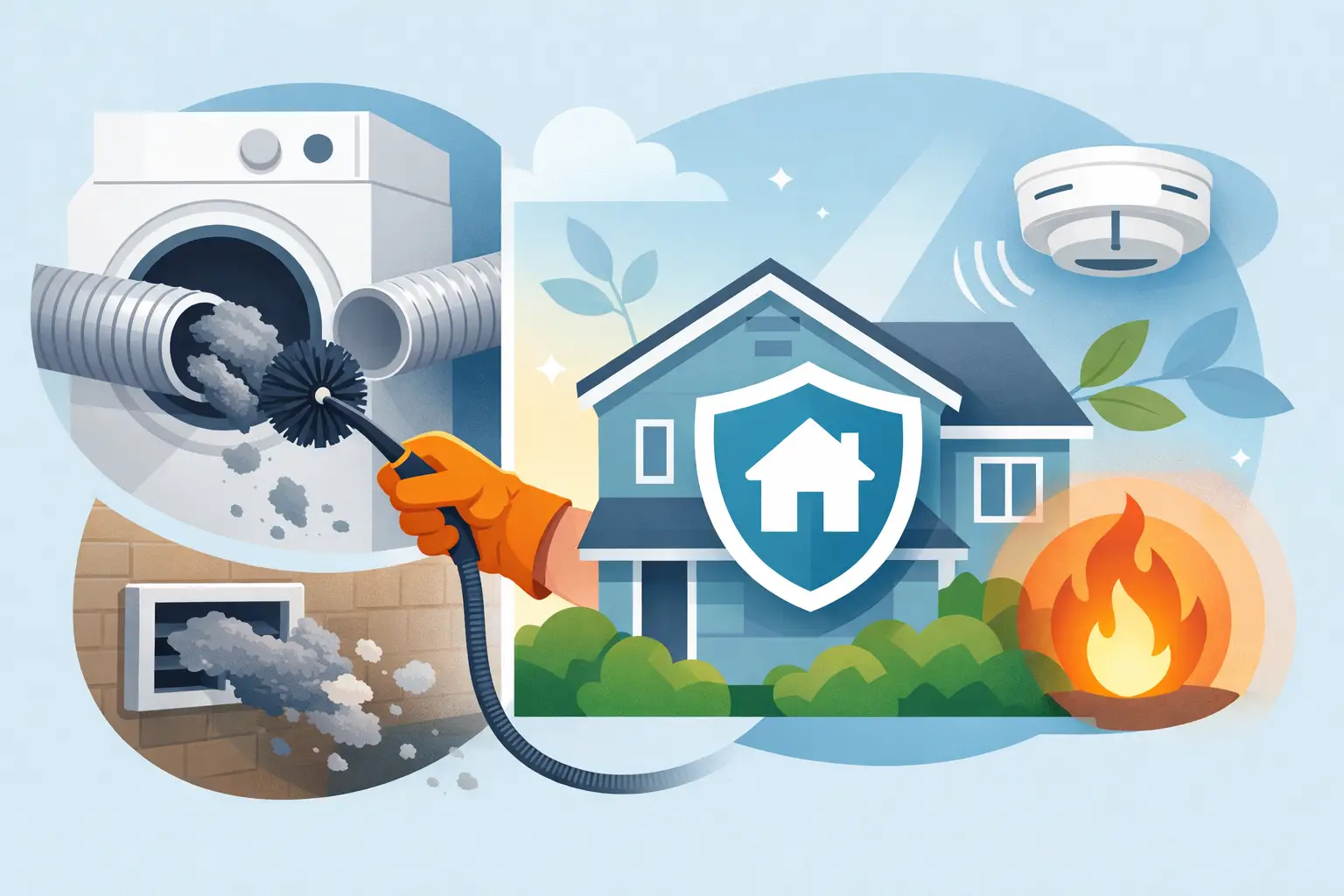
Not every appliance problem carries the same level of risk. A noisy dishwasher is inconvenient. A leaking gas range or improperly serviced dryer can be dangerous. That is why tssa licensed appliance repair is especially important for appliances such as gas stoves, ovens, cooktops, dryers, and other fuel-burning units.
The main issue is not just the visible symptom. Homeowners often call because the burner will not light, the oven temperature is off, or the dryer takes too long to dry. Those can seem like ordinary performance issues, but the root cause may involve ignition components, gas flow, burner assemblies, venting concerns, or wear that affects safe operation.
A licensed technician approaches the call differently. They are looking at function and safety together. That means checking whether the appliance can be repaired properly, whether any connected components are creating a hazard, and whether the unit should remain in service.
This is also where cheaper, unqualified repair work can become costly. An incomplete fix may get the appliance running for the moment while leaving the underlying safety issue untouched. Customers usually find that out later, after another failure, an unsafe condition, or a second service call that could have been avoided.
When homeowners should ask about TSSA licensing
The simplest rule is this: if the appliance uses gas, ask the question before booking. You do not need to be an expert to know when licensing should be part of the conversation. If your gas oven is not heating, your burners click constantly, your dryer has a gas odor, or a newly installed appliance is not performing properly, service should be handled by someone qualified for that type of work.
That also applies when the issue seems minor. Weak heating, delayed ignition, unusual flame behavior, soot, or recurring shutdowns are not problems to brush aside. Sometimes the repair is straightforward. Sometimes it points to a more serious condition. The value of a licensed technician is knowing the difference.
For landlords, property managers, and small commercial operators, the stakes are even higher. A repair decision affects not only equipment performance, but also occupant safety, liability, and downtime. In those situations, choosing properly licensed service is not just a smart preference. It is part of responsible property maintenance.
What to expect from a professional repair visit
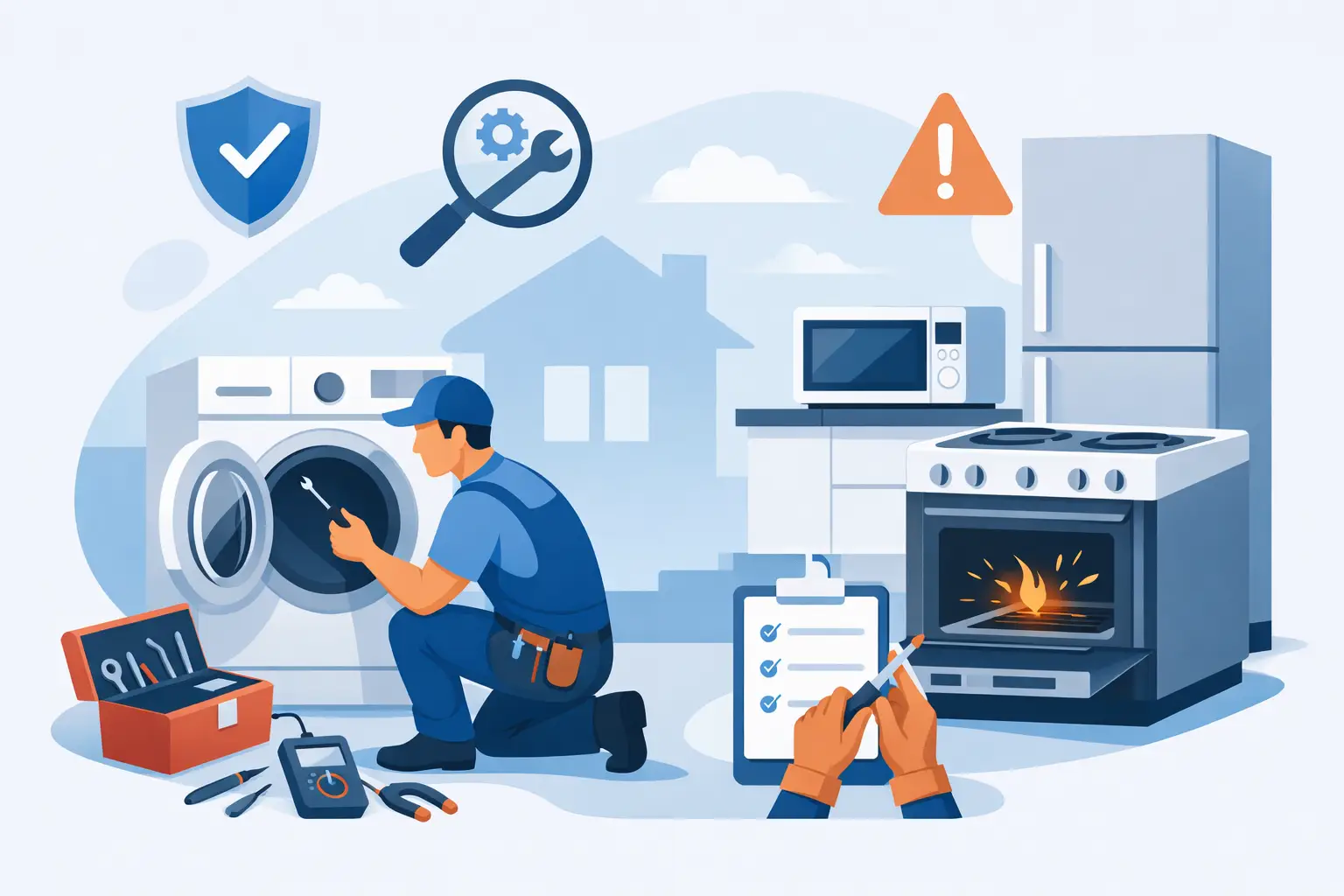
A qualified service appointment should feel clear and methodical, not rushed or vague. The technician should inspect the appliance, identify the fault, explain the repair in plain language, and let you know whether the unit can be safely returned to use.
That clarity matters because customers are usually making decisions under pressure. The refrigerator is warming up, dinner service is disrupted, or laundry is piling up. You need a real answer, not guesswork. Good repair service balances urgency with care. Fast scheduling is helpful, but speed should never come at the expense of proper diagnosis.
Professional service also means understanding that repair is not always the automatic answer. Sometimes the safer and more cost-effective path is replacement, especially with older appliances that have repeated failures, discontinued parts, or signs of broader wear. A dependable technician will tell you that honestly instead of pushing a temporary fix that is unlikely to last.
TSSA licensed appliance repair and everyday peace of mind
Most customers are not thinking about regulations when they book a service call. They are thinking about getting the stove working before dinner or the dryer running before the weekend. That is reasonable. Still, the best repair experience is one that restores both function and peace of mind.
That is the real benefit of tssa licensed appliance repair. It helps take uncertainty out of the process. You are not left wondering whether the issue was fully addressed, whether the appliance is safe to operate, or whether corners were cut just to finish quickly.
This matters even more in busy households where appliances are used hard and often. Families rely on laundry and kitchen equipment every day. A properly repaired gas appliance is not just about convenience. It is about being able to use your home normally again without second-guessing the repair.
Common problems that should never be ignored
Some warning signs deserve immediate attention. Gas odor is the obvious one, but it is not the only one. Delayed ignition, unusual flames, excessive heat, burners that will not stay lit, repeated tripping of safety features, and dryers that seem hotter than normal all deserve prompt service.
There is a trade-off here. Waiting may seem easier if the appliance still works sometimes, but intermittent problems are often the ones that get misjudged by unqualified repair attempts. A unit that works one day and fails the next can point to a deeper component or safety issue. The longer it goes unchecked, the more unpredictable the appliance becomes.
If there is ever a concern about gas smell or unsafe operation, stop using the appliance and arrange professional service right away. That response is not overcautious. It is the right call.
Choosing a repair company with confidence
For most customers, the challenge is not deciding that they need help. It is deciding who to trust once they do. A reliable appliance repair company should be clear about its qualifications, comfortable answering licensing questions, and experienced with the specific appliance involved.
It also helps to look for a team that offers in-home service, responsive scheduling, and warranty-backed repairs. Those details may sound secondary, but they shape the entire customer experience. A company that understands urgency, communicates clearly, and stands behind its work tends to solve problems with less stress and fewer repeat visits.
For homes and businesses in Ontario, this is especially relevant when gas appliances are part of the job. Appliance Tech Pros is one example of a service company built around that combination of technical skill, safety-first standards, and practical doorstep support. That kind of approach gives customers what they actually want: a repair done correctly, safely, and without unnecessary delays.
Why the lowest quote is not always the best repair
Appliance repair is one of those services where the cheapest option can become the most expensive one. If a technician misdiagnoses the issue, uses the wrong part, skips a safety concern, or leaves the appliance unreliable, you pay again in time, money, and frustration.
That does not mean the highest quote is automatically best either. It means value comes from qualified workmanship, accurate troubleshooting, and repairs that hold up under normal use. With gas appliances, that value includes safety and compliance, not just getting the unit to turn back on.
A good repair should leave you with fewer worries, not more questions. If the company cannot clearly explain the issue, its credentials, or the repair plan, that is usually a sign to keep looking.
When an appliance breaks down, most people want the same thing: fast help they can trust. That is exactly why licensing matters. The right repair does more than restore heat, drying, or cooking. It helps protect your home, your time, and your confidence every time you turn the appliance back on.