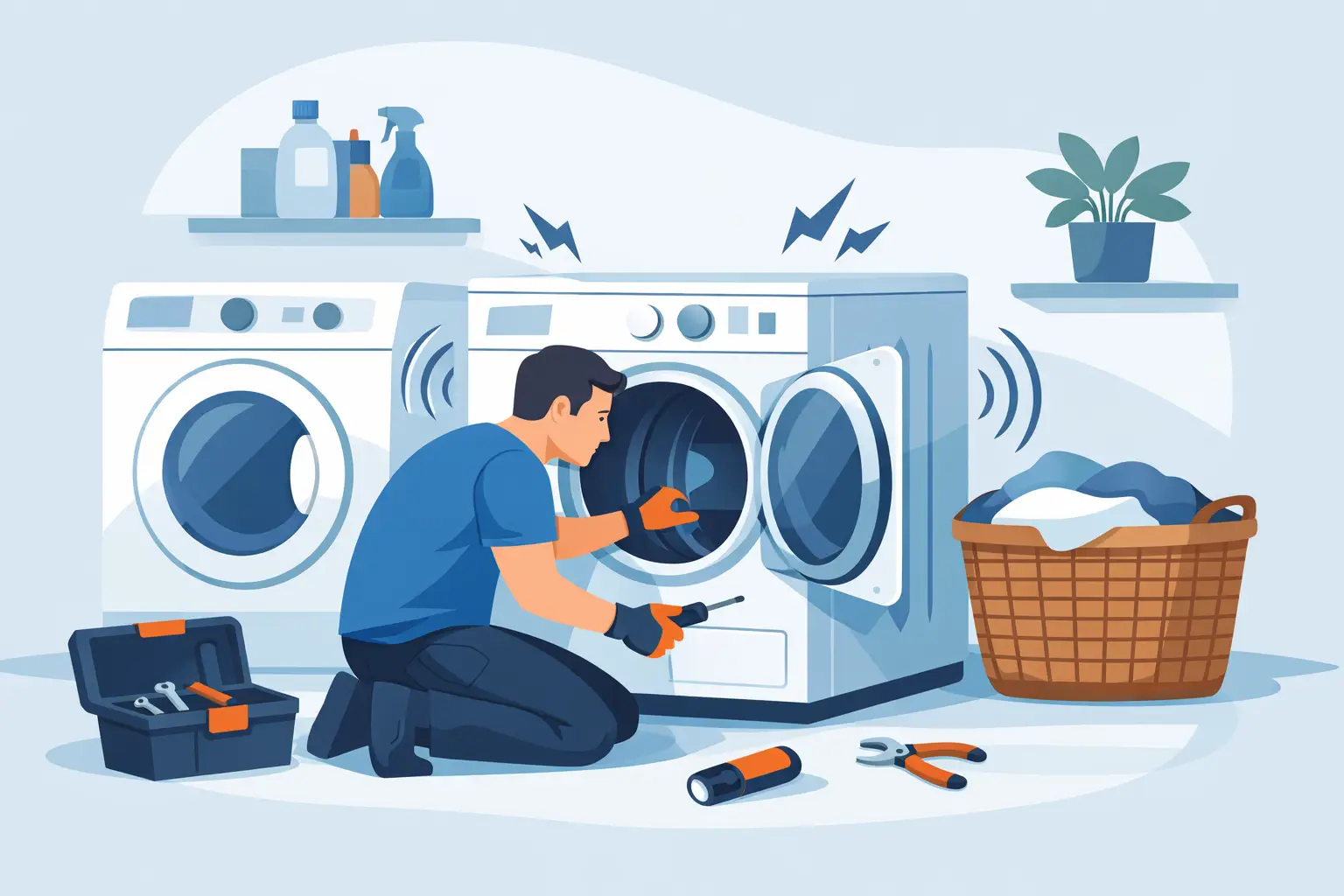
A load that suddenly takes two or three cycles to dry is more than a laundry-day annoyance. It can be the first warning that heat and lint are not leaving your dryer safely. The best dryer vent safety tips focus on keeping that exhaust path clear, using the right materials, and acting early when your dryer starts behaving differently.
Dryers move a large amount of hot, moist air during every cycle. When lint builds up inside the machine, transition duct, or outdoor vent, airflow drops. That can raise operating temperatures, waste energy, wear out dryer components, and increase the risk of a lint fire. A few practical habits can make a meaningful difference for your home or business.
1. Clean the lint screen before every load
Make cleaning the lint screen part of loading the dryer, not something you do when it looks full. Even a thin layer of lint restricts airflow over time. Pull out the screen, remove the lint by hand, and reinstall it securely before starting the dryer.
The screen itself can also develop an invisible coating from dryer sheets and fabric softener. If water does not pass easily through the mesh, wash it gently with warm water, dish soap, and a soft brush. Let it dry completely before putting it back. Never run a dryer without its lint screen in place, since lint can be pulled deeper into the vent system.
2. Check behind and beneath the dryer
Lint does not stay neatly inside the trap. It often collects behind the appliance, under the cabinet, and around the exhaust connection. Once a month, unplug an electric dryer and carefully pull it forward enough to vacuum the surrounding floor and accessible areas.
For a gas dryer, do not pull or disconnect the appliance if the gas connector appears strained, corroded, or improperly routed. Gas connections require extra care. If you smell gas, hear hissing, or notice a damaged connector, leave the area, avoid switches and flames, and contact your gas utility or a qualified gas appliance professional right away.
3. Use the right type of vent duct
The short duct that connects the dryer to the wall is easy to overlook, but it matters. Rigid or semi-rigid metal ducting provides a smoother path for airflow and is less likely to sag, crush, or trap lint than plastic or thin vinyl materials. Plastic and vinyl ducts are not suitable for dryer exhaust because heat can damage them and lint can ignite more easily.
Flexible metal duct may be appropriate for a short, visible transition connection where movement is needed, but it should be as short and straight as possible. Long, accordion-like runs create pockets where lint accumulates. Your local code and the dryer manufacturer’s instructions should guide the final setup, especially in condos, commercial spaces, and homes with concealed vent runs.
Secure duct joints with foil HVAC tape rather than screws that protrude into the airflow path. Screws can catch lint and create a blockage over time. Do not use standard cloth duct tape, which can dry out and fail under heat.
4. Keep the vent run short, straight, and independent
Every bend in a dryer vent slows the air down. A long route with several sharp turns is harder to clean and more likely to trigger overheating or long drying times. If your dryer has always struggled to dry efficiently, the issue may be the vent design rather than the dryer itself.
A dryer vent should exhaust outdoors through its own dedicated path. It should not vent into an attic, garage, crawl space, chimney, or interior room. Releasing moist air indoors can create condensation and mold concerns, while lint buildup in enclosed spaces creates an avoidable fire hazard.
Do not connect a bathroom fan, range hood, or another appliance to the dryer vent. These systems have different airflow demands, and shared ducting can cause dangerous performance and moisture problems.
5. Inspect the outdoor vent cover regularly
When the dryer is running, go outside and check the exhaust outlet. You should feel warm air moving steadily, and the vent flap should open freely. Weak airflow, no airflow, or a flap that stays shut can point to a blockage, crushed duct, stuck damper, or mechanical problem inside the dryer.
Remove leaves, snow, mulch, insect nests, and other debris that may block the exterior cover. Avoid covers fitted with mesh screens. While a screen may seem useful for keeping pests out, it can trap lint quickly and restrict the exhaust. A proper exterior damper is designed to close when the dryer is off while still allowing lint to exit safely.
6. Do not ignore longer drying times
A dryer that needs extra cycles is sending a message. Before assuming the appliance has failed, check whether the load is too large, the lint screen is clean, and the exterior vent is open. If those basics look normal but clothes still take too long to dry, schedule a professional inspection.
Other warning signs include a dryer that feels unusually hot on the outside, a burning smell, excessive humidity in the laundry room, visible lint around the vent connection, or a dryer that shuts off before the load is dry. Stop using the dryer if you notice a burning odor or signs of overheating. Continuing to run it can turn a manageable repair or cleaning issue into a serious safety event.
7. Clean the full vent system on a schedule
Cleaning the lint screen is daily maintenance. Cleaning the entire vent system is a different job. Lint can build up several feet away from the dryer, especially where the duct turns or travels through walls, ceilings, or floors.
Most households benefit from having the full dryer vent inspected and cleaned at least once a year. Homes with large families, frequent laundry loads, pets, long vent runs, or a dryer located far from an exterior wall may need service more often. Small commercial operators, including salons, rental properties, and businesses that wash linens regularly, should consider a more frequent schedule based on use.
A proper cleaning should address the transition duct, the concealed vent route, and the exterior termination. Simply vacuuming the area behind the dryer is helpful, but it does not remove compacted lint farther inside the line.
8. Give the dryer room to breathe
Laundry rooms often become storage areas, especially in busy homes. Keep boxes, cleaning supplies, towels, and other combustible items away from the dryer. The area around the appliance should stay clear so heat can dissipate and the dryer can be pulled out safely for service.
Avoid pushing the dryer tightly against the wall. A crushed transition duct can restrict airflow immediately, even if the rest of the vent system is clean. After moving the dryer, check that the duct is not kinked, disconnected, or compressed.
9. Use the dryer responsibly
Run the dryer only when someone is awake and available to respond if a problem occurs. Overnight or unattended drying may feel convenient, but it removes the opportunity to notice unusual smells, noises, or overheating.
Do not overload the drum. Large loads can prevent clothes from tumbling properly and make the dryer work harder. Clean items that have come into contact with gasoline, solvents, cooking oil, or other flammable substances should never go directly into a dryer. Even after washing, residues may remain and create a fire risk.
10. Know when to call a professional
Some dryer vent issues are not visible from the laundry room. A vent may be blocked inside a wall, disconnected in an attic, improperly installed, or too long for the dryer to exhaust effectively. Electric dryers can also develop heating, blower, thermostat, or sensor problems that look similar to a clogged vent.
A qualified appliance technician can inspect both the dryer and its exhaust path, identify whether the concern is airflow or an appliance fault, and recommend the right repair. At Appliance Tech Pros, safety-focused dryer service is designed to help homeowners address overheating, poor drying performance, damaged vent connections, and appliance concerns before they become larger disruptions.
Best Dryer Vent Safety Tips: When to Act Fast
Stop using the dryer and arrange prompt service if you smell burning, see smoke, find scorched marks near the appliance, or notice that the dryer is extremely hot to the touch. If a fire starts, get everyone out, call emergency services, and do not reopen the door or try to move the appliance.
For less urgent concerns, such as lint around the machine or longer drying cycles, do not wait for the problem to become severe. A clean vent, a properly installed exhaust connection, and a dryer that runs at normal temperatures give you more than faster laundry. They give your household one less safety concern to carry.