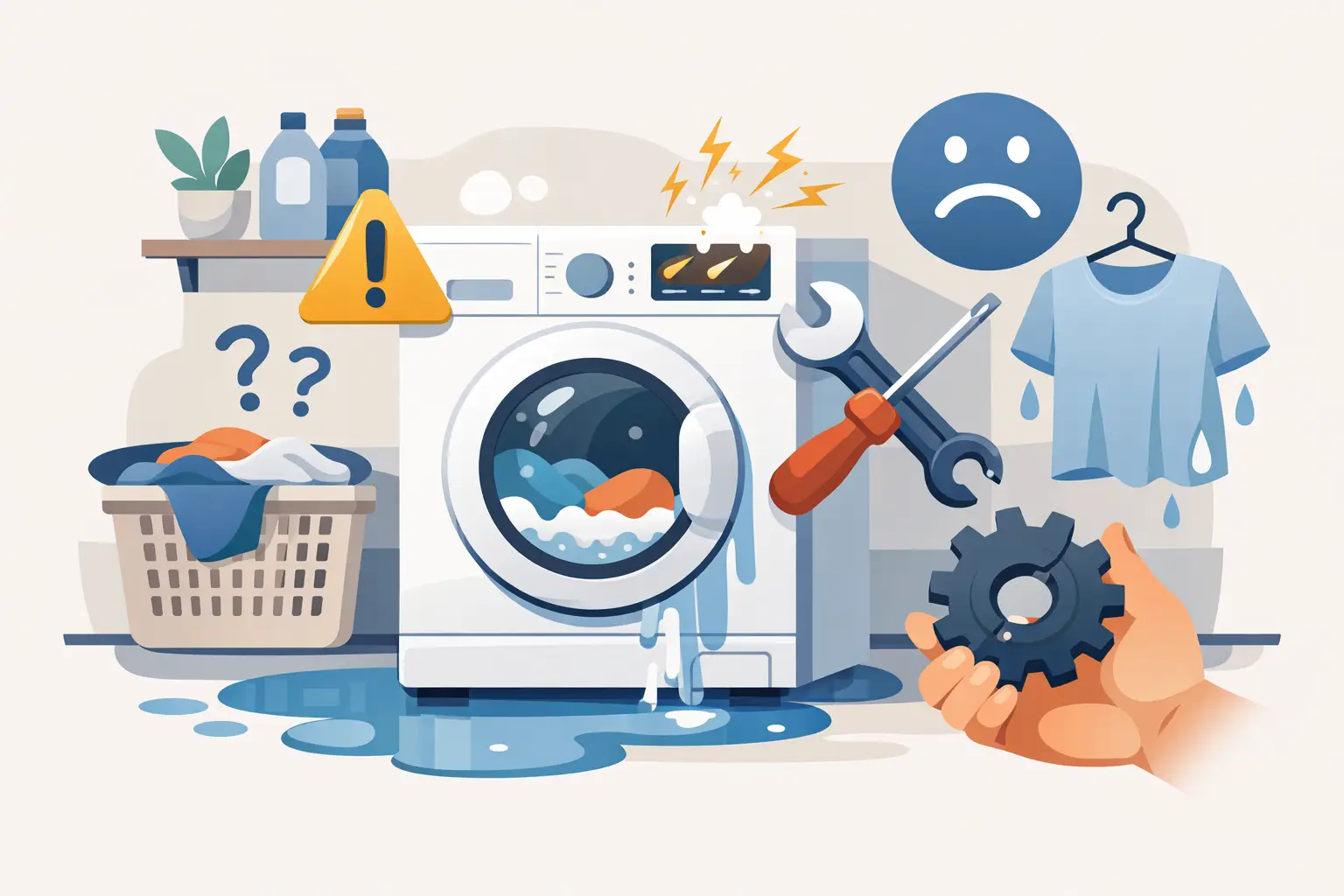
A refrigerator that stops cooling before a weekend of groceries, a washer that quits mid-cycle, or a gas stove with an unusual smell creates the same immediate question: should you fix it or start shopping? Appliance repair versus replacement is rarely a simple price comparison. The right decision depends on what failed, how old the appliance is, whether it can be repaired safely, and how much reliable service you can reasonably expect afterward.
For many households, a timely repair is the faster and more cost-conscious path. For others, replacement prevents repeat breakdowns, higher utility bills, and the frustration of putting more money into an appliance near the end of its useful life. A qualified technician can help you make that call with real information instead of guesswork.
Appliance Repair Versus Replacement: Start With the Failure
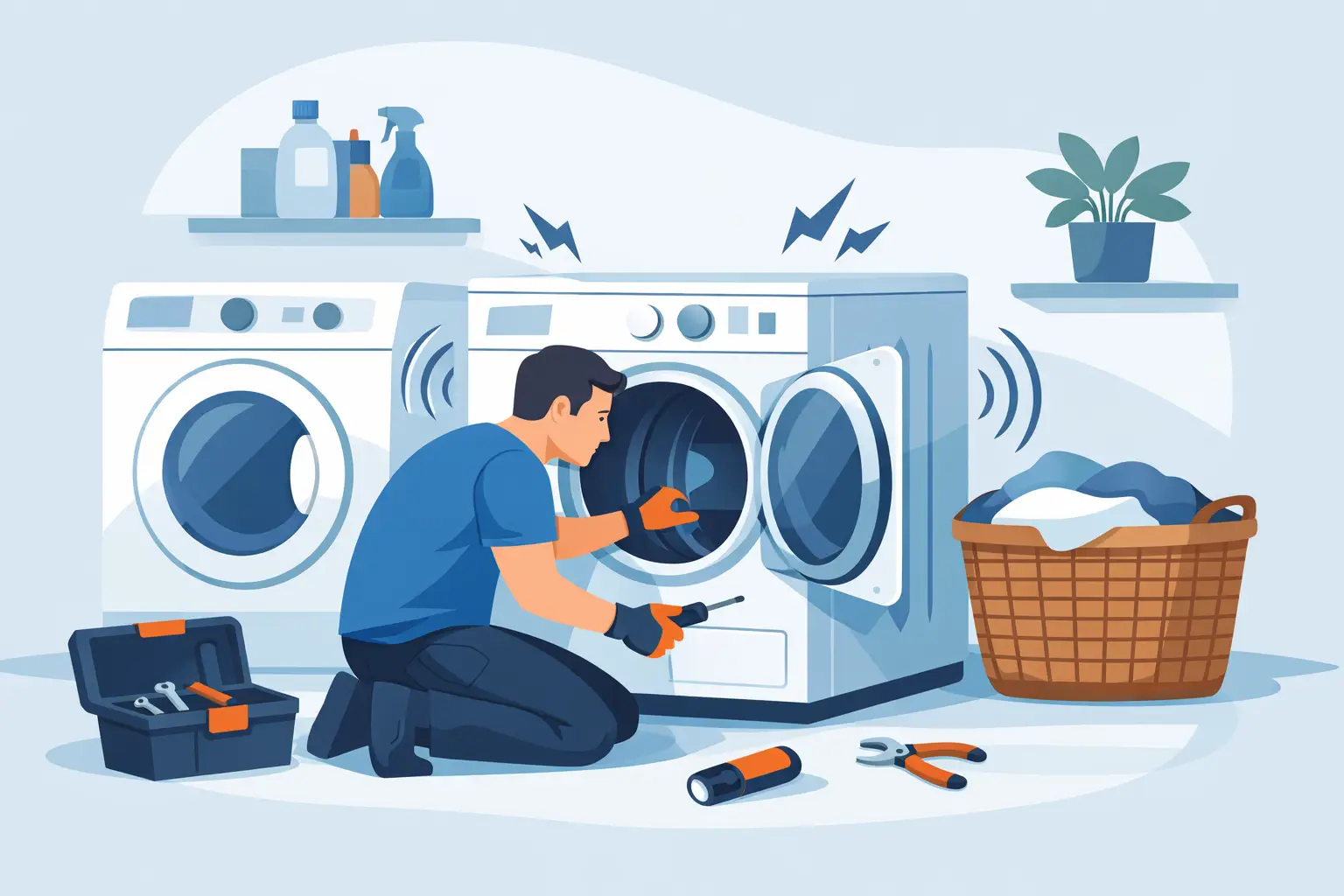
The part that failed matters more than the fact that an appliance has failed. A dishwasher with a worn door latch, a dryer with a damaged belt, or a washer with a faulty drain pump may be a strong repair candidate. These are common issues that can often be resolved without replacing the entire unit.
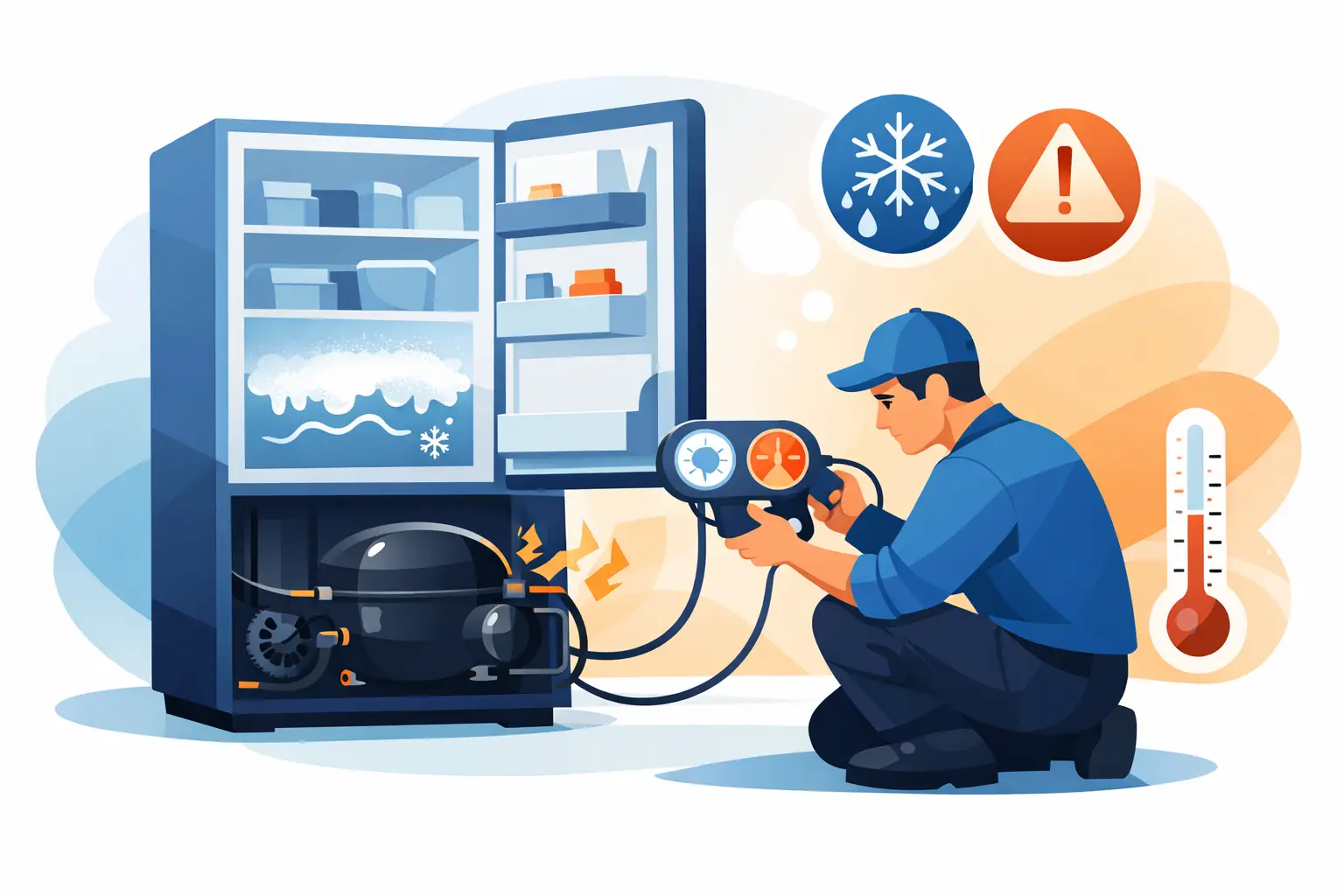
A different situation arises when the appliance has a major sealed-system problem, a cracked tub, extensive rust, or multiple worn components. A refrigerator compressor issue, for example, can be more expensive and involved than replacing a fan motor or door gasket. If an older appliance needs several major repairs at once, replacement may deliver better long-term value.
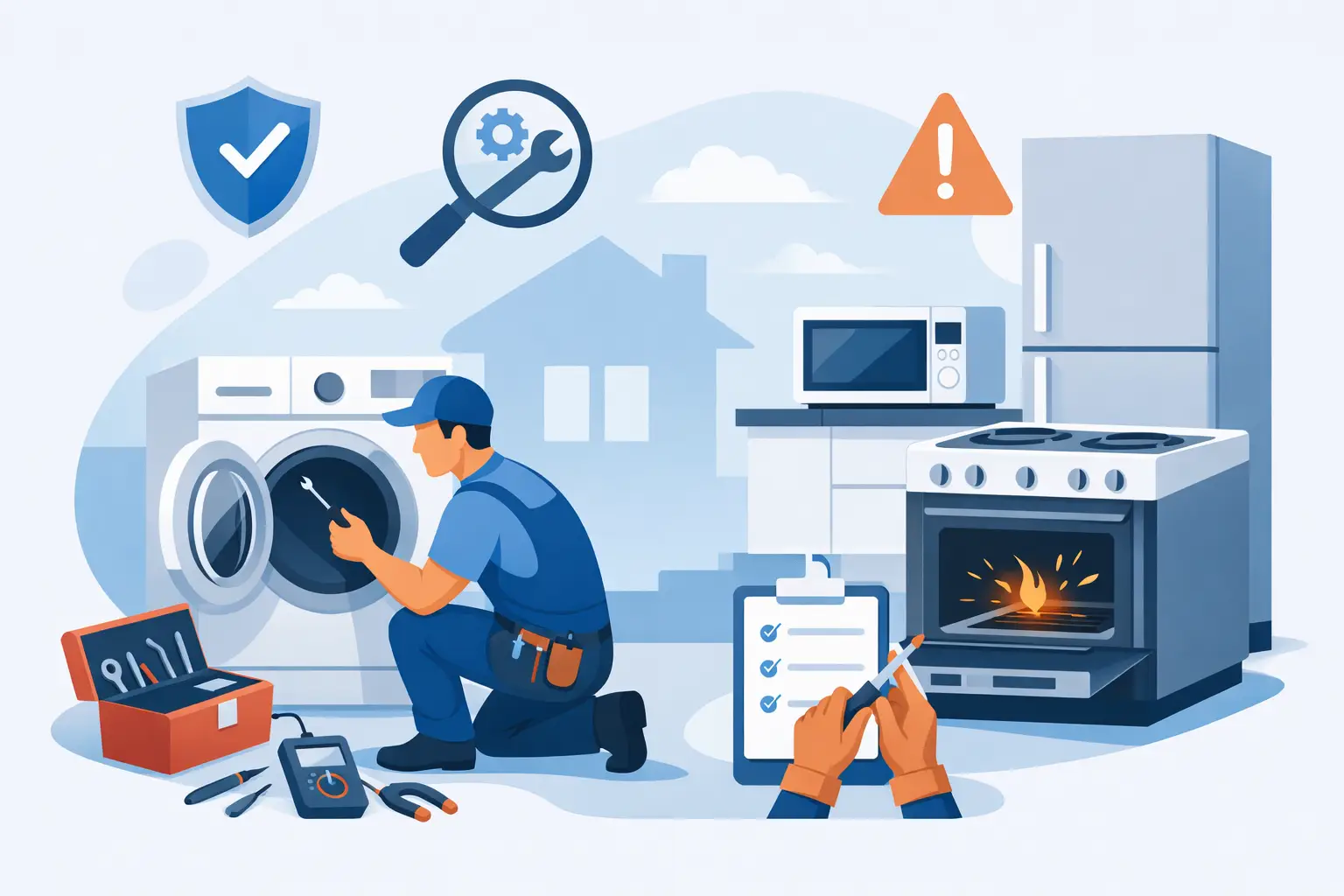
The same principle applies to ovens and ranges. An igniter, heating element, temperature sensor, or control switch may be repairable. But if a unit has repeated electrical failures, serious corrosion, unavailable parts, or safety concerns, it deserves a closer replacement discussion.
Before deciding, get a clear diagnosis. The visible symptom is not always the underlying problem. A dryer that takes too long to dry could have a failing heating component, but it may also have restricted venting. Replacing the dryer without correcting the vent issue could leave the household with the same problem and an unnecessary expense.
Consider Age, But Do Not Let It Decide Everything
Age provides useful context, not a final answer. A well-maintained appliance can outlast its average life expectancy, while a neglected one may fail early. Build quality, usage levels, installation conditions, and prior repairs all affect the decision.
As a general reference, refrigerators often provide around 10 to 15 years of service, dishwashers about 8 to 12 years, washers and dryers roughly 10 to 13 years, and ranges can last 13 to 15 years or longer. These are not guarantees. A six-year-old refrigerator with a minor repair need may be worth fixing. A 14-year-old refrigerator with a costly compressor problem may not be.
Ask a technician whether the repair addresses an isolated failure or whether it is likely to be the first of several end-of-life repairs. You also want to know whether replacement parts are readily available. Some older models remain dependable and repairable, while parts for others become difficult or costly to source.
Use Repair Cost as a Guide, Not a Rule
Many homeowners have heard the 50 percent rule: replace an appliance if the repair costs more than half the price of a comparable new model. It is a useful starting point, but it should not be applied blindly.
A new appliance comes with added costs that may not appear on the price tag. Delivery, removal of the old unit, installation, new hoses or electrical components, cabinetry adjustments, and time away from work can all change the comparison. For built-in appliances, matching dimensions and finishes may also limit replacement choices.
On the other hand, a low-cost repair is not automatically a good investment. If an aging washer needs a repair today and has shown several recent problems, spending a few hundred dollars may only postpone a larger expense. The most practical question is this: after the repair, how confident can you be that the appliance will operate reliably for a meaningful period?
A professional service visit should give you more than a repair quote. It should give you an explanation of the problem, the condition of the appliance, the likely repair outcome, and the risks of waiting or continuing to use it.
Safety Always Changes the Decision
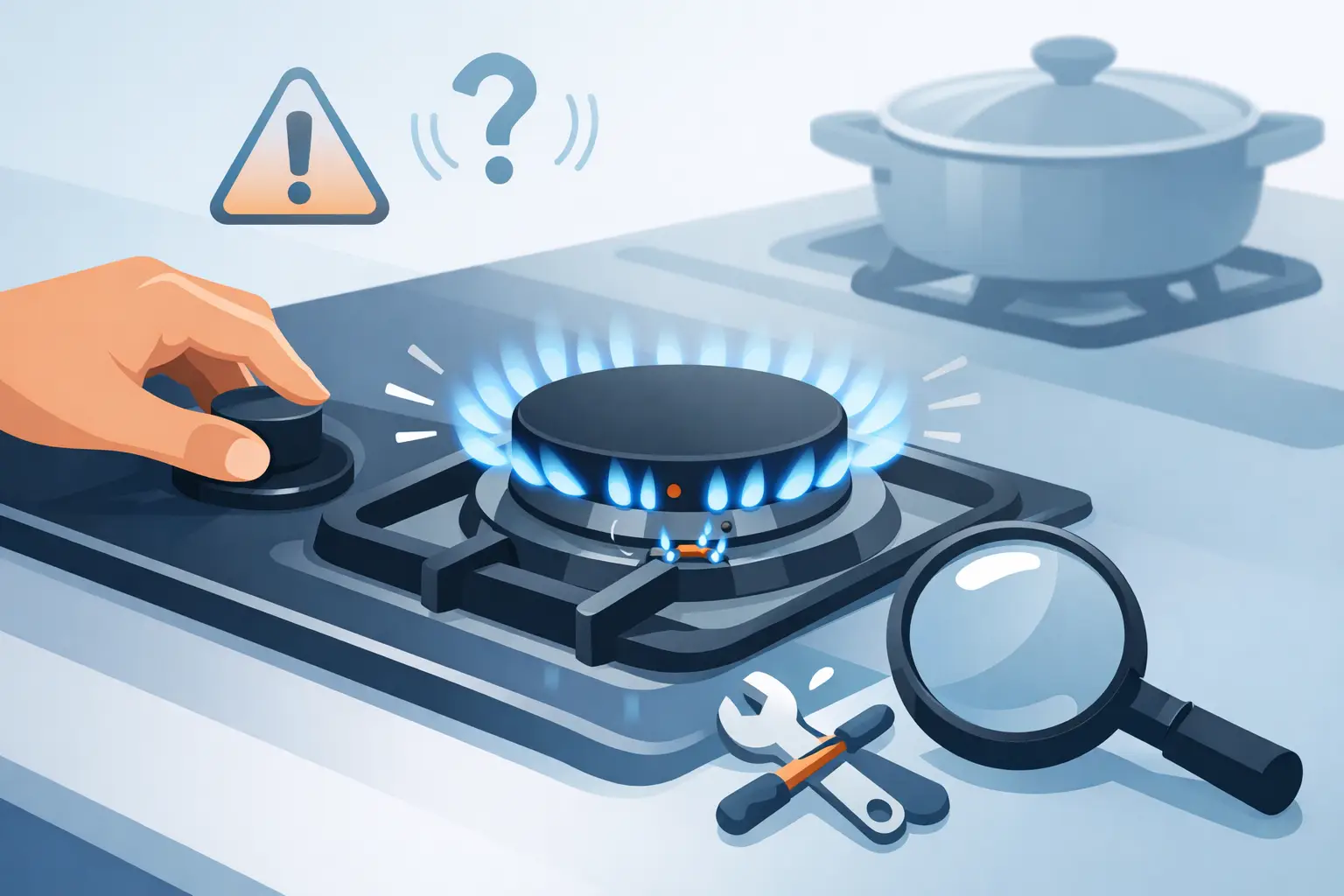
Some appliance issues should never be treated as a wait-and-see problem. If you smell gas, notice a gas burner that will not ignite correctly, see signs of scorching, experience repeated breaker trips, or find water pooling near electrical connections, stop using the appliance and arrange qualified service.
Gas ranges, ovens, dryers, and other fuel-burning appliances require particular care. Improper repairs can create fire, carbon monoxide, gas leak, and ventilation risks. Work involving gas connections, ignition systems, or combustion components should be handled by trained professionals who follow applicable safety standards and local requirements.
Likewise, a dryer that overheats or has poor airflow may pose a lint and fire risk. A refrigerator with damaged wiring or a dishwasher that leaks onto nearby outlets needs prompt attention. In these cases, the repair-versus-replacement question comes after the immediate safety issue is assessed.
When Repair Usually Makes Sense
Repair is often the right choice when the appliance is under 8 to 10 years old, the problem is isolated, and the repair cost is reasonable compared with replacement. It can be especially practical when the appliance has otherwise performed well and replacement would require changes to the surrounding space.
Consider repairing a newer washer with a drain pump failure, a dryer with a worn belt or roller, a dishwasher with a failed circulation component, or an oven with an igniter issue. These problems can interrupt daily routines, but they do not necessarily mean the appliance has reached the end of its life.
Repair also makes sense when speed matters. Replacing a refrigerator or range can take time, particularly when you need a specific size, configuration, or fuel type. A fast diagnosis and quality repair may get your household back on track sooner than shopping, delivery, and installation.
At Appliance Tech Pros, the goal is not to pressure customers into a repair that does not make financial sense. It is to diagnose the issue accurately, explain the practical options, and complete safe, dependable work when repair is the right path.
When Replacement Is the Better Investment
Replacement becomes more compelling when an appliance is near or beyond its expected service life and needs a major repair. It may also be the better option if the same appliance has required repeated service calls, parts are no longer available, or the repair would not resolve known performance limitations.
Poor efficiency can also influence the decision. An older refrigerator that runs constantly, a dryer that requires multiple cycles, or a dishwasher that no longer cleans effectively may cost more to operate and create ongoing inconvenience. Newer models can offer improved energy and water efficiency, although the savings should be weighed realistically against the cost of buying and installing a replacement.
For commercial operators, downtime can matter even more than the repair bill. A failing refrigerator, range, or laundry unit can disrupt staff, customers, inventory, and daily operations. In that situation, consider the expected repair turnaround, the availability of parts, and whether a replacement would reduce the risk of another interruption.
Get the Information Before You Commit
A good decision comes from a proper diagnosis, not an online estimate or a guess based on appliance age alone. Before authorizing a repair, ask what caused the failure, what parts are needed, whether there are signs of additional wear, and how long the repair is expected to last. If replacement is recommended, ask why the repair is not the better value.
Keep basic maintenance in the picture as well. Clean dryer vents and lint filters, inspect washer hoses, keep refrigerator coils and door seals in good condition, and address small leaks early. Routine care does not prevent every breakdown, but it can reduce strain on key components and make repair a more viable option when problems occur.
When an essential appliance fails, the best next step is a calm, professional assessment. A safe repair may protect your budget and restore normal life quickly. If replacement is the smarter choice, knowing that before spending on a major repair gives you the confidence to move forward without second-guessing the decision.