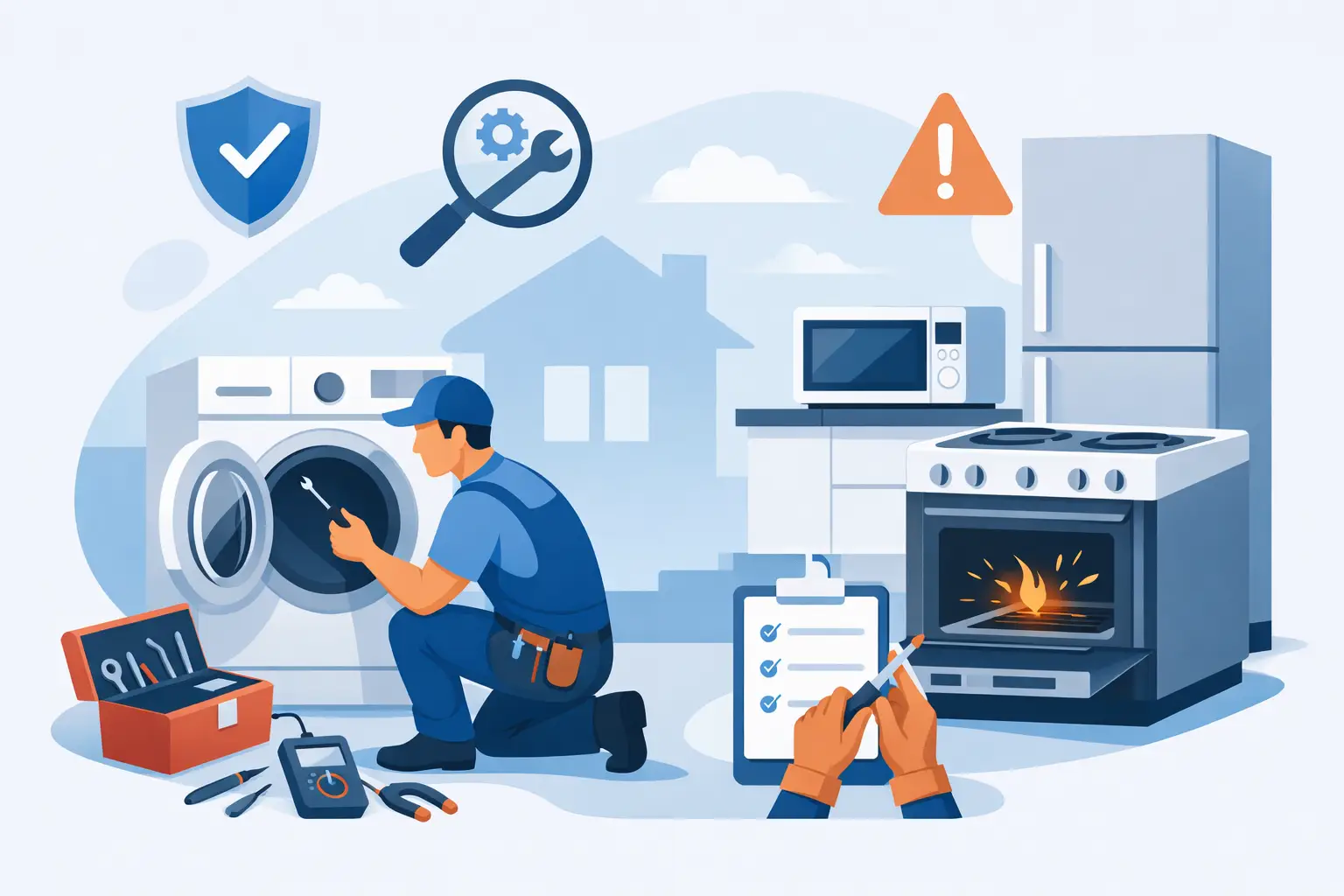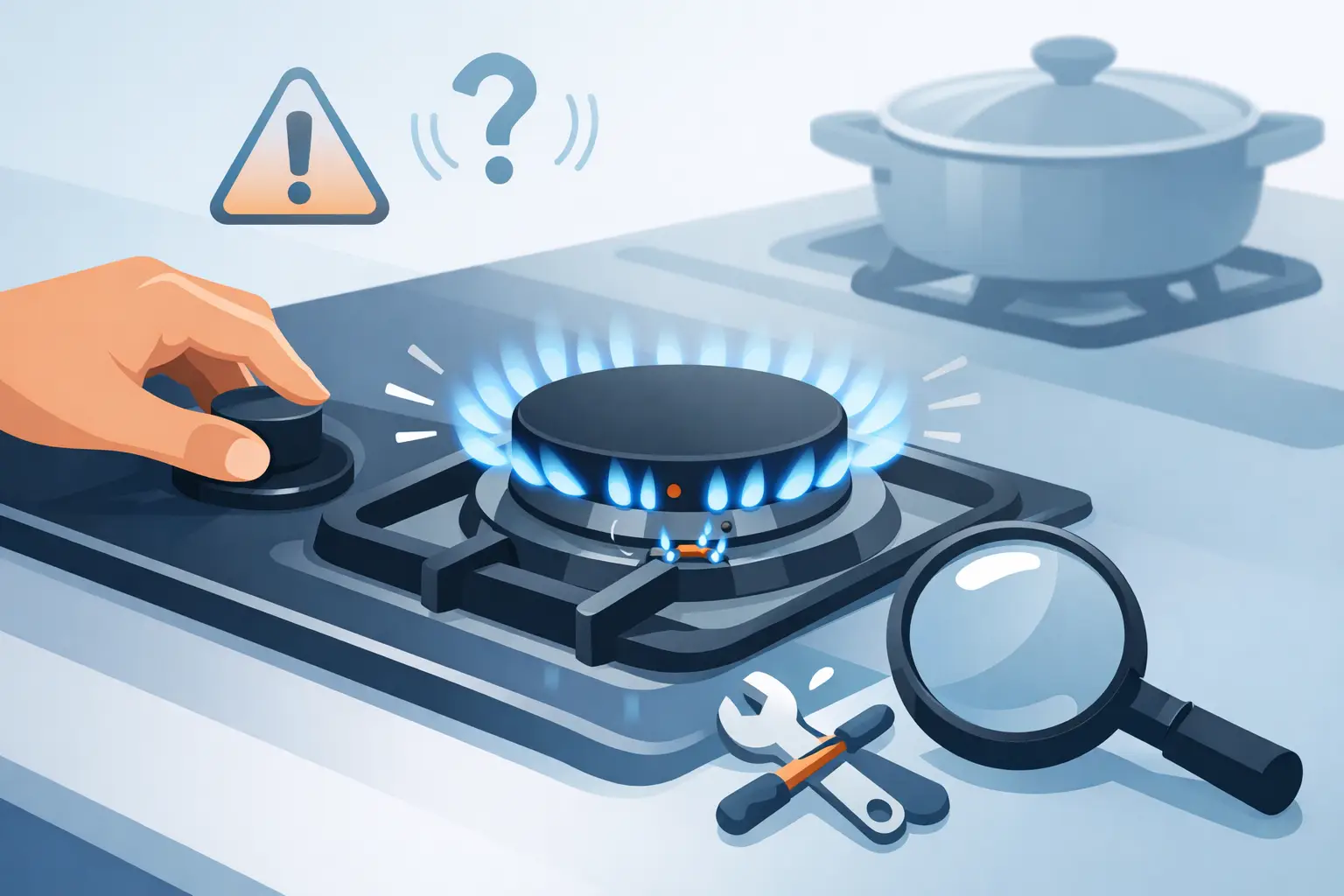
A refrigerator that stops cooling can put a week’s groceries at risk. A gas range that smells unusual can be a safety concern. When a washer quits mid-cycle, laundry piles up quickly. In moments like these, knowing how to choose an appliance repair company helps you act quickly without taking unnecessary risks or paying for work that does not last.
The right service provider does more than diagnose an error code. They protect your home, explain the problem clearly, use appropriate parts, and stand behind the repair. Here is what to look for before you schedule a service call.
Start With Safety and Qualifications
Appliance repair is not one-size-fits-all work. Refrigerators, ovens, dishwashers, dryers, and washing machines involve different electrical, mechanical, plumbing, and ventilation systems. Gas appliances require an additional level of training and care.
Ask whether the company uses trained, qualified technicians for the type of appliance you own. If you need work on a gas stove, gas dryer, or another gas-powered appliance, confirm that the technician has the required local gas qualifications and follows applicable safety standards. A company should never treat gas work as a routine shortcut.
This matters even when the problem appears minor. A weak gas burner, an oven that will not ignite, or a dryer with poor airflow may point to an issue that affects performance and household safety. A professional technician should inspect the cause, not simply replace a visible part and leave.
For electrical appliances, ask about experience with your appliance category and brand. You do not need a technician who has memorized every model ever made, but you do want a service company with broad hands-on experience diagnosing common failures in major household appliances.
Look for a Clear, Upfront Repair Process
A dependable repair company should be able to explain what happens from the first call through the completed repair. That includes appointment availability, diagnostic fees, how estimates are approved, parts ordering, and warranty coverage.
Be cautious if the process is vague. You should know whether there is a service call or diagnostic charge, whether that amount is applied toward a repair, and when you will receive a final estimate. Exact pricing may not be possible before a technician examines the appliance, especially when several parts could cause the same symptom. Still, the company should be transparent about its pricing structure before arriving.
A good technician will identify the issue, explain the recommended repair in plain language, and get your approval before completing billable work beyond the diagnosis. You should not feel pressured into a decision you do not understand.
Ask What the Estimate Includes
An estimate is more useful when it separates the key costs: labor, parts, service charges, and any additional work required for safe installation or testing. This makes it easier to compare options fairly.
The lowest estimate is not always the best value. A lower price can sometimes reflect lower-quality parts, incomplete troubleshooting, or no meaningful warranty. On the other hand, a high estimate is not automatically unreasonable if the repair requires a costly manufacturer part or extensive labor. The important question is whether the company can clearly explain the cost and the expected result.
Check for Warranty-Backed Workmanship
A warranty shows that a repair company is prepared to stand behind its work. Before booking, ask what warranty applies to labor and replacement parts, how long it lasts, and what you should do if the same issue returns.
There are limits to every warranty. A repair warranty typically covers the completed repair, not a separate failure that develops later in another component. For example, replacing a dishwasher drain pump will not necessarily cover a future control board issue. Honest companies explain those boundaries instead of making promises that sound reassuring but mean very little.
Keep your invoice after the visit. It should document the appliance, the diagnosed issue, the work completed, and the parts installed. That record can be helpful if you need follow-up service or eventually decide to replace the appliance.
Evaluate Response Time Without Sacrificing Quality
Fast service matters when you have a refrigerator full of food, a leaking dishwasher, or a dryer that will not run. Look for a company that offers convenient scheduling and can respond promptly to urgent appliance disruptions.
At the same time, be realistic about what a same-day visit means. A technician may be able to diagnose your appliance on the first visit but need to order a model-specific part before completing the repair. That is often preferable to installing an unsuitable substitute or guessing at the cause.
Ask whether the company carries common parts on its service vehicles and how it handles parts that must be ordered. Clear communication is especially valuable when your household routine or business operations depend on the appliance being repaired quickly.
Read Reviews for Specific Signals
Online reviews can be useful, but do not rely on the star rating alone. Read several recent reviews and watch for details about punctuality, communication, diagnosis accuracy, pricing clarity, and whether the repair held up after the technician left.
A few negative reviews do not always mean a company is unreliable. Appliance repairs can involve backordered parts, discontinued models, and problems that become visible only after disassembly. Pay attention to patterns instead. Repeated complaints about missed appointments, surprise charges, rushed work, or unanswered follow-up calls should make you pause.
Positive reviews are more meaningful when customers mention a specific appliance issue and explain how the company handled it. Comments such as “the technician explained the dryer vent problem” or “the refrigerator was tested before the technician left” are generally more useful than a short, generic recommendation.
Make Sure They Repair Your Appliance, Not Just Common Problems
Before scheduling, confirm that the company works on your appliance type. Some providers focus narrowly on one category, while others can service a full range of kitchen and laundry appliances, including refrigerators, ovens, stoves, dryers, washers, microwaves, and dishwashers.
Broader coverage can be particularly helpful for homeowners, landlords, and small commercial operators. If more than one appliance needs attention, working with one qualified provider can simplify scheduling and keep your maintenance history in one place.
It is also worth asking whether the company handles installation and maintenance. A professional installation can prevent avoidable problems with leveling, drainage, water lines, electrical connections, and ventilation. Preventive maintenance may also extend the life of appliances that are still running but showing early warning signs, such as unusual noises, longer drying times, inconsistent temperatures, or recurring leaks.
Know When Repair Makes Sense
A trustworthy company will help you weigh repair against replacement rather than pushing one answer every time. The decision depends on the appliance’s age, condition, repair cost, energy use, availability of parts, and the likelihood of another major failure.
Repair often makes sense when the appliance is relatively new, the issue is limited to a replaceable component, and the repair cost is reasonable compared with replacement. It can also make sense when a built-in appliance is expensive or complicated to replace.
Replacement may be the better choice when the appliance has repeated breakdowns, major structural damage, obsolete parts, or a repair cost that approaches the value of a comparable new unit. A technician should give you the facts and let you decide based on your budget and priorities.
Questions to Ask Before You Book
A short conversation can tell you a great deal about the company you are considering. Ask whether they service your appliance type and brand, what their diagnostic fee is, whether they provide written estimates, what warranty they offer, and whether they are qualified to handle gas appliances when relevant.
Also ask about appointment windows and how the team communicates if a technician is delayed. Your time matters. Reliable service includes showing up prepared, keeping you informed, and treating your home with care.
Choose Confidence Over Convenience Alone
When an essential appliance breaks down, it is tempting to book the first available option. But a few minutes spent checking qualifications, pricing practices, warranty terms, and recent customer feedback can prevent a costly second repair.
Choose a company that communicates clearly, treats safety as non-negotiable, and gives you a practical path forward. The best repair experience leaves you with more than a working appliance – it gives your household the confidence that the job was done carefully and correctly.