A gas range that clicks but will not light. A dryer that leaves a faint burning smell. A water heater closet that suddenly feels too warm. Most gas appliance problems do not start with a dramatic failure. They start with small changes that are easy to dismiss until they become a safety issue. That is why a clear gas appliance safety guide matters for any home or small business that relies on gas equipment every day.
Gas appliances are efficient and dependable when they are installed correctly, vented properly, and maintained by qualified professionals. The trade-off is simple. Because they use fuel and produce combustion byproducts, they demand more attention than many electric appliances. You do not need to be an expert to stay safe, but you do need to know what is normal, what is not, and when to stop using an appliance and call for service.
What this gas appliance safety guide covers
The goal of this gas appliance safety guide is not to turn you into a technician. It is to help you recognize common risks early, use your appliances more safely, and make better decisions when something seems off. For most households, that means paying attention to odor, flame color, ventilation, heat buildup, ignition problems, and changes in performance.
It also means understanding that different appliances fail in different ways. A gas stove with uneven flames does not carry the same immediate concern as a dryer with poor venting or a furnace room with signs of exhaust leakage. Some issues can wait for a scheduled repair. Others require the appliance to be shut off right away.
The warning signs you should never ignore
The most serious red flag is the smell of gas. If you notice a sulfur-like or rotten egg odor, do not test switches, do not relight burners, and do not assume it will pass. Leave the area, shut off the gas supply only if it is safe to do so, and contact your gas utility or emergency services. After the immediate risk is addressed, have the appliance and connection inspected by a certified technician before using it again.
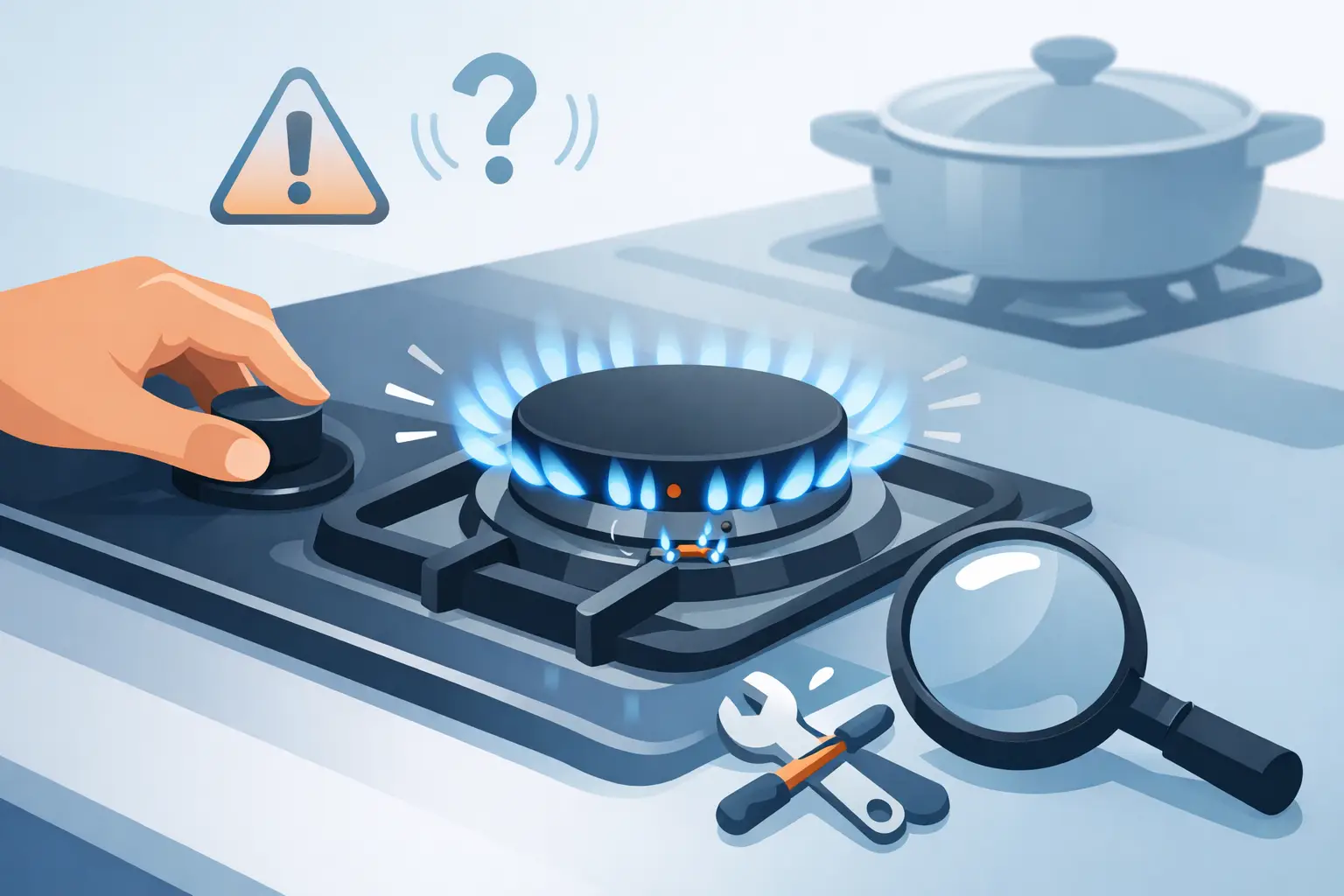
A yellow or orange burner flame is another warning sign, especially on appliances that should burn mostly blue. A healthy flame is usually blue and steady. If it starts lifting, fluttering, or changing color, the cause might be dirty burners, poor air mixture, or incomplete combustion. Sometimes the fix is straightforward. Sometimes it points to a more serious venting or gas delivery issue. Either way, it deserves attention.
Soot marks, scorch marks, excess condensation, frequent headaches near an appliance, or a stale exhaust smell can all suggest combustion or venting trouble. Those are not symptoms to monitor for a few weeks. They are reasons to stop using the appliance and book service promptly.
Safe daily habits make a bigger difference than most people think
Most households focus on repairs only after something stops working. In practice, safer appliance ownership starts with routine habits. Keep the area around gas appliances clear, especially ranges, dryers, and water heaters. Storage boxes, cleaning products, paper towels, and fabrics should never crowd a heat source or burner area.
When using a gas range, stay in the kitchen. Unattended cooking is one of the most common household safety risks, and gas adds an open-flame factor that makes fast response even more important. If a burner does not ignite after a few clicks, turn it off and wait a moment before trying again. Repeated clicking with no ignition can allow gas to build up.
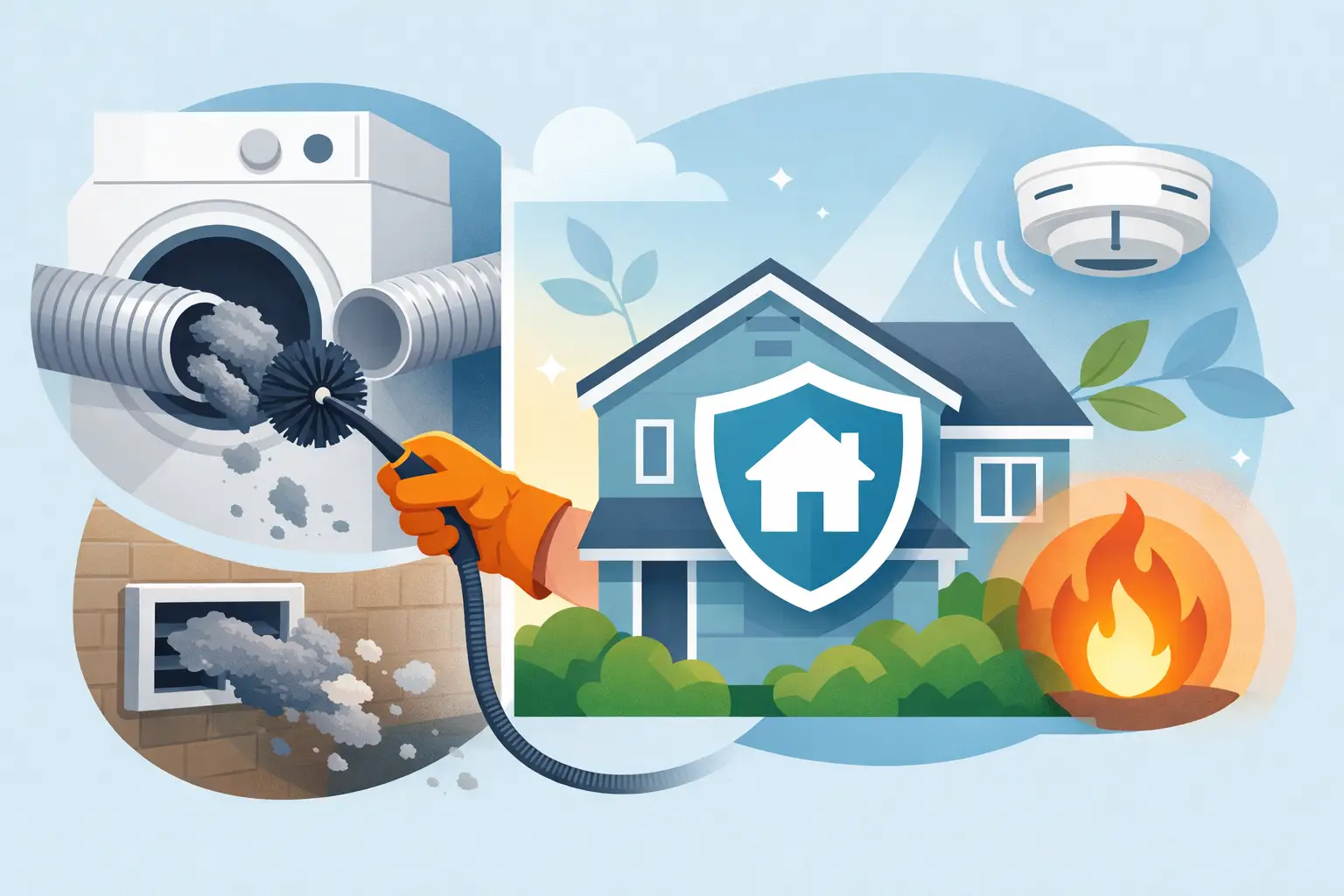
Dryers deserve the same level of caution. If you have a gas dryer, poor airflow is not just a performance problem. It can create excess heat, strain components, and increase fire risk. Clean the lint filter every cycle, make sure the exhaust path stays clear, and do not ignore longer drying times. That often means the machine is not venting as it should.
Ventilation is where many hidden problems begin
Gas appliances need proper airflow to burn fuel correctly and move exhaust safely out of the space. This is one of the most overlooked parts of home safety because venting problems are easy to miss until they become severe. A blocked dryer vent, a loose exhaust connection, or a poorly installed kitchen ventilation setup can all affect how an appliance performs.
The challenge is that symptoms are not always obvious. You might just notice more moisture on windows, a warmer utility room, or an appliance that seems less efficient than before. Those are not dramatic signs, but they matter. In smaller homes, condos, and tightly sealed buildings, ventilation issues can show up faster because there is less margin for poor airflow.
If you have recently renovated, replaced windows, enclosed a laundry area, or moved appliances, it is worth having gas equipment checked. Changes to the space can affect ventilation even when the appliance itself has not changed.
Carbon monoxide protection is not optional
Any practical gas appliance safety guide should be direct about carbon monoxide. You cannot see it or smell it, and low-level exposure can feel like fatigue, nausea, or a dull headache. That is one reason people sometimes overlook it. They assume they are tired or coming down with something.
Install carbon monoxide alarms on every level of the property and near sleeping areas. Test them regularly and replace batteries as recommended. If an alarm goes off, treat it as urgent. Get everyone outside, call emergency services or the gas utility, and do not re-enter until the property is cleared.
A detector is not a substitute for maintenance. It is your backup layer of protection. The safest approach is both – working alarms and routine professional inspection.
Common appliance-specific concerns
Gas stoves and ovens often show early warning signs through ignition issues, uneven cooking, delayed burner lighting, or unusual flame color. A dirty igniter may be a relatively contained repair. A damaged gas valve or supply issue is more serious. If flames extend too high, go out unexpectedly, or appear uneven across burners, stop guessing and have the unit checked.
Gas dryers tend to reveal trouble through overheating, poor drying, burning odors, or repeated cycling problems. Some homeowners assume the appliance is simply getting old. Sometimes that is partly true, but age is rarely the whole story. Restricted vents, failed thermostats, worn igniters, and gas valve issues can all be involved.
Commercial kitchens and shared-use laundry spaces carry extra risk because the appliances run harder and more often. In those settings, small performance changes should be addressed early. Waiting usually means more downtime, more disruption, and a greater chance that a safety issue will affect staff or tenants.
When to troubleshoot and when to call a professional
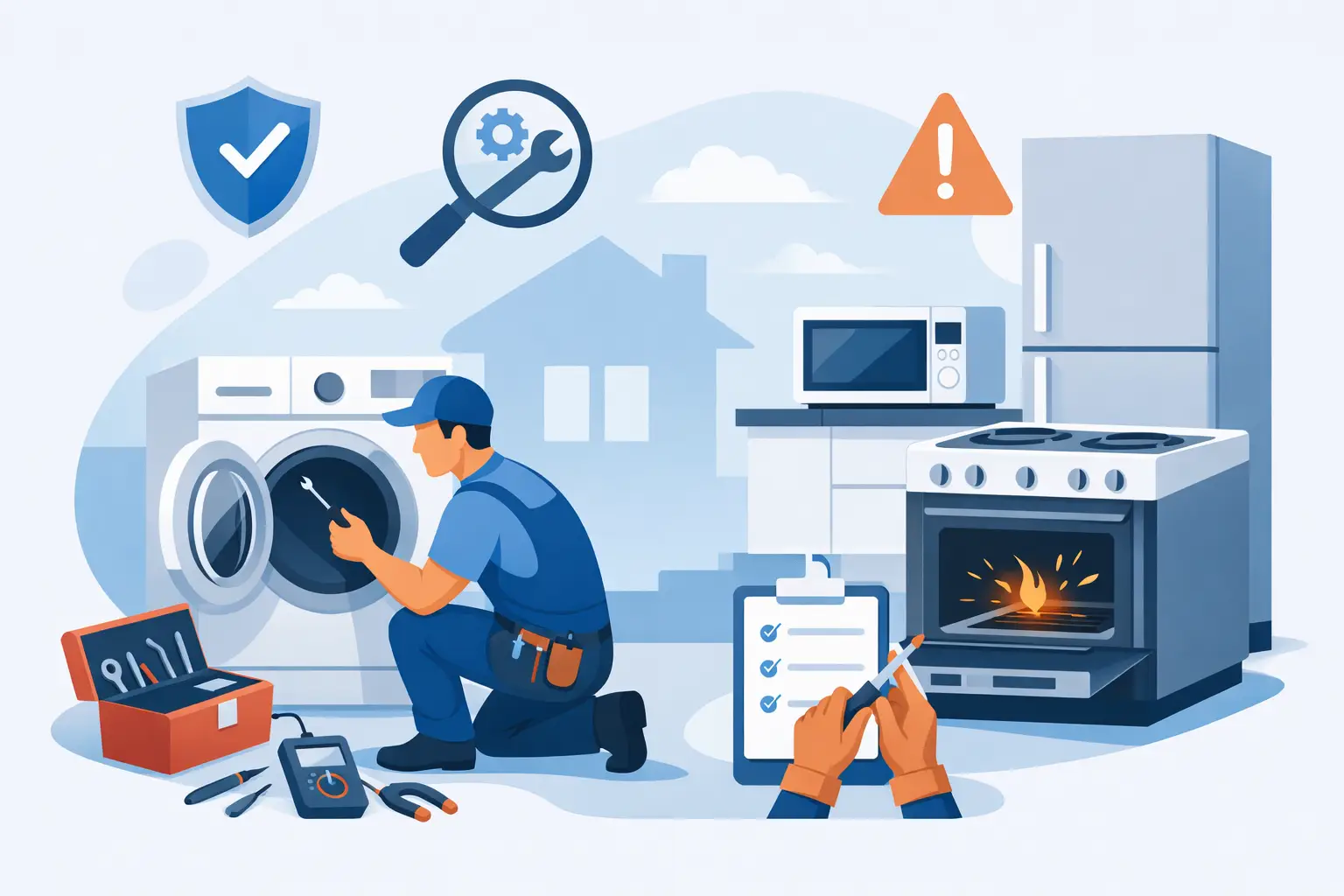
There is a reasonable line between basic homeowner care and technical service. Cleaning accessible burner caps, checking that a dryer lint filter is clear, or confirming that a shutoff valve has not been bumped are sensible first steps. Opening gas connections, adjusting internal components, bypassing safety features, or attempting your own installation are not.
This is where many avoidable hazards begin. Online tutorials can make gas appliance repairs look simple, but the real-world risk is not always visible. A connection that seems tight can still leak. A burner that lights can still be burning incorrectly. A vent that looks attached can still be exhausting into the wrong space.
For Ontario property owners especially, certified service standards matter. Work on gas appliances should be handled by qualified technicians who understand code requirements, combustion safety, and proper testing procedures. That is not about adding formality. It is about protecting the people in the building.
Maintenance is cheaper than emergency response
Preventive service is not just for large systems or commercial buildings. A household gas range, dryer, or other appliance benefits from regular inspection, cleaning, and performance checks. The main value is not only extending appliance life, though that helps. It is catching venting problems, worn ignition parts, leaks, and unsafe operation before they escalate.
If your appliance is older, heavily used, or has needed repeat repairs, maintenance becomes even more worthwhile. There is always a balance between repairing and replacing, and the right answer depends on age, condition, and cost. But whether you keep the current unit or install a new one, safety should lead the decision.
For homeowners who want peace of mind without second-guessing every odor or sound, scheduling service with a qualified local team is often the most practical move. Companies like Appliance Tech Pros focus on exactly this kind of work – identifying the real issue, confirming safe operation, and helping you avoid a small problem turning into a serious one.
Gas appliances should make daily life easier, not more stressful. If something feels off, trust that instinct and get it checked. Fast attention is often what keeps a repair simple and your home safe.