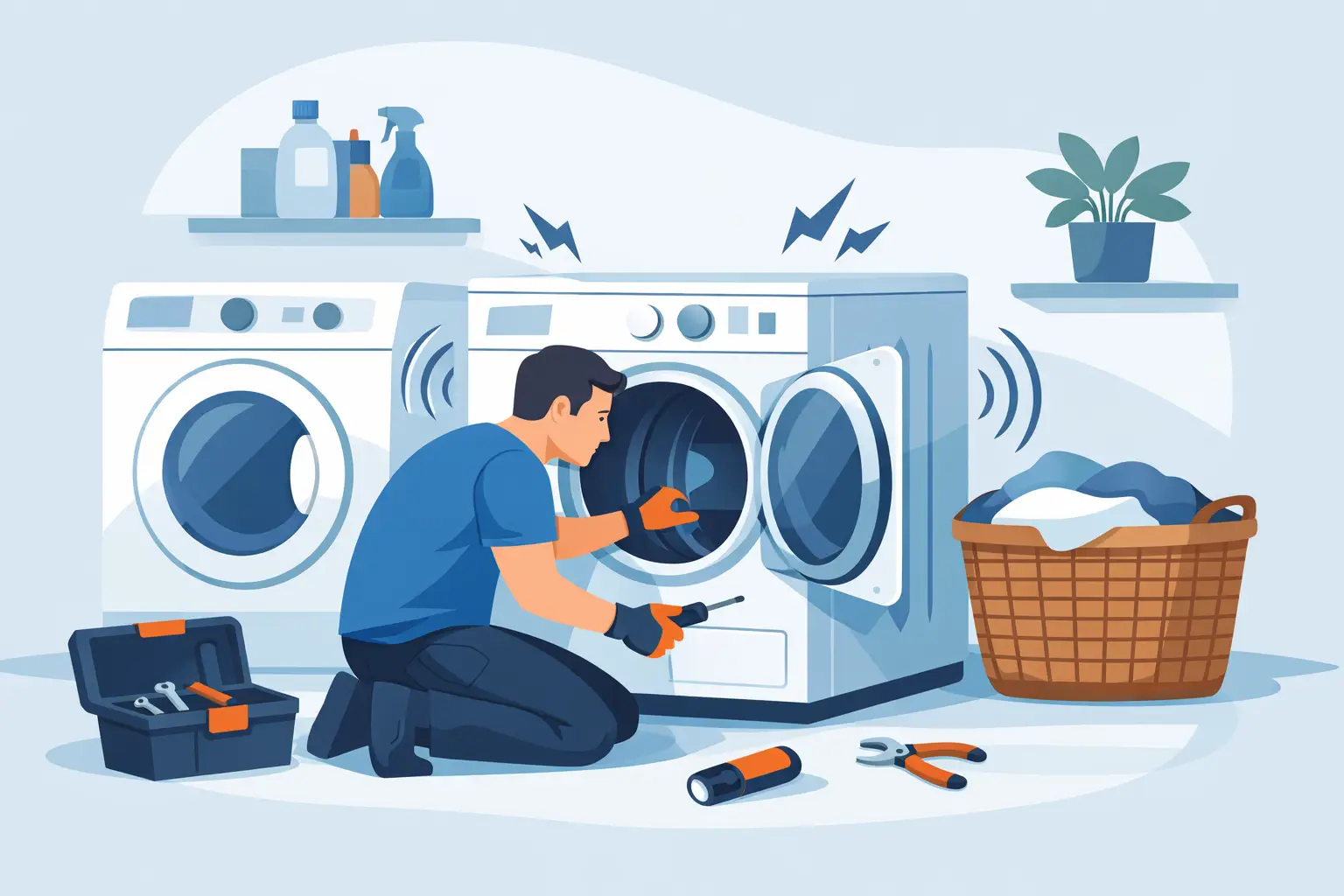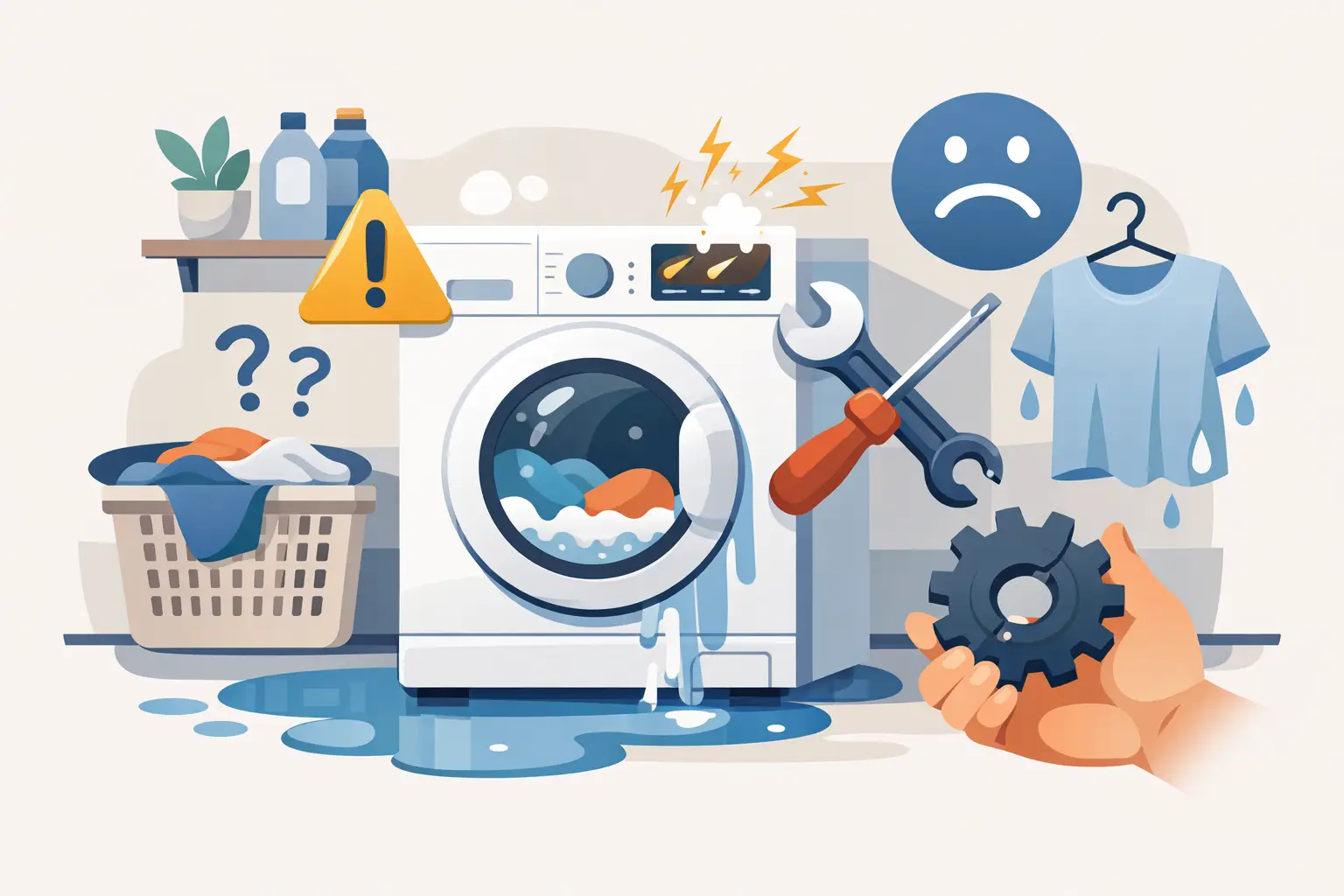
A dryer that suddenly needs two or three cycles to finish one load is more than an annoyance. If you are asking, why is my dryer taking longer, the issue usually points to restricted airflow, a heating problem, or a load that is harder to dry than normal. The good news is that some causes are simple to spot. The more serious ones are worth addressing quickly, especially if heat, gas, or venting is involved.
When a dryer runs longer than it should, it is working harder while delivering worse results. That means higher utility costs, more wear on clothing, and added strain on the appliance itself. In some cases, a slow-drying dryer is also a safety concern, particularly when lint buildup or a vent blockage is part of the problem.
Why is my dryer taking longer than usual?
The most common reason is poor airflow. Dryers need to move hot, moist air out of the drum and through the exhaust system. When that airflow is reduced, moisture stays trapped in the clothes, so the machine keeps running without drying efficiently.
That restriction can happen in several places. The lint filter may be full, the vent hose may be crushed behind the dryer, or the exterior vent may be clogged with lint or debris. Even if the dryer still gets warm, weak airflow can make drying times much longer.
There is also an it-depends factor here. A dryer can take longer because of the machine itself, but it can also be caused by what is going into it. Large loads, heavy towels, blankets, and items that were not spun out properly in the washer all hold extra moisture. If the problem only happens occasionally, load size or fabric type may be part of the answer. If it happens every time, the appliance likely needs attention.
The most likely causes of long dryer cycles
A clogged lint screen or vent system
This is the first place to look because it is also the most common issue. A lint screen packed with lint limits air movement right away, but the bigger problem is often deeper in the vent line. Lint can collect inside the duct over time, especially if the run is long or has several bends.
If the outside vent flap barely opens when the dryer runs, that is a strong sign airflow is restricted. You may also notice the laundry room feels hotter than usual, the dryer cabinet feels unusually warm, or clothes come out hot but still damp.
An overloaded dryer
Dryers need space for warm air to circulate. If the drum is packed too tightly, clothes tumble as one heavy mass instead of separating and drying evenly. Even a fully working machine will struggle with oversized loads.
This is especially common with comforters, jeans, bath towels, and mixed loads that combine lightweight and heavyweight fabrics. Breaking one large load into two smaller ones often improves drying time immediately.
Washer leaving clothes too wet
Sometimes the dryer is blamed for a washer problem. If clothes come out of the washer wetter than normal, the dryer has to remove much more moisture during each cycle. A weak spin cycle, drainage issue, or unbalanced washer load can create that situation.
A simple clue is how the clothes feel before they go into the dryer. If they are dripping, unusually heavy, or much wetter than before, the washer may be contributing to the delay.
A failing heating element or gas heating issue
Electric dryers rely on a heating element. Gas dryers use an igniter, flame sensor, gas valve coils, and other components to produce heat safely. If one part starts failing, the dryer may still run but generate inconsistent or insufficient heat.
That can be frustrating because the machine sounds normal and the drum still turns. In reality, it may be tumbling with little heat or cycling heat improperly. Gas dryer issues should be handled with extra care because safe diagnosis matters just as much as the repair itself.
Moisture sensor or thermostat problems
Many dryers use sensors to detect moisture and adjust cycle time automatically. If the sensor is dirty or malfunctioning, the dryer may end too soon or keep running without drying effectively. A faulty cycling thermostat or high-limit thermostat can also interfere with normal heating patterns.
This is one of those problems that usually is not obvious from the outside. The dryer may appear to be working, but its internal controls are no longer responding correctly.
Crushed or poorly installed vent hose
A dryer vent hose pushed too tightly against the wall can become flattened. That small change can have a big effect on airflow. Flexible vent materials also tend to trap more lint than rigid metal ducting, especially if the installation has too many turns.
If the dryer was recently moved, replaced, or installed, the vent setup is worth checking. A long drying time that starts right after installation often points to a venting issue rather than an internal failure.
What you can safely check at home
Start with the lint screen. Clean it completely, even if it does not look full. Fabric softener residue can also build up on the mesh and reduce airflow, so an occasional wash with warm water and mild soap can help.
Next, look behind the dryer if you can do so safely. Check whether the vent hose is bent, crushed, or disconnected. Then inspect the outside vent while the dryer is running. The flap should open freely and exhaust air should feel strong.
You can also reduce the load size and test one smaller batch of clothing. If that load dries normally, the issue may be partly related to overloading or heavy fabric mixes. If small loads still take too long, the problem is more likely mechanical or vent-related.
For electric dryers, avoid opening the cabinet or testing parts unless you are trained to do it. For gas dryers, it is even more important not to guess. Safe service matters because heating and gas components need proper diagnosis.
Signs it is time to call for dryer repair
If you have cleaned the lint screen, checked visible venting, and adjusted the load size but the dryer still runs long, professional service is the next step. The same applies if you notice the dryer is not heating properly, shuts off unexpectedly, gives off a burning smell, or leaves clothes hot and damp after a full cycle.
Long dry times can seem like a small inconvenience at first, but they often point to a problem that gets worse with use. A blocked vent can become a fire risk. A weak heating component can fail completely. A dryer that keeps running too long also puts extra strain on motors, belts, and other internal parts.
For homeowners and small businesses, quick service matters because laundry backups create stress fast. A dependable technician can determine whether the issue is airflow, heat, controls, or installation-related and fix it before it turns into a bigger repair.
How to prevent your dryer from taking longer
The most effective habit is simple: clean the lint filter after every load. Beyond that, have the venting inspected and cleaned regularly, especially if you dry large loads often, have pets, or notice lint collecting around the dryer area.
It also helps to avoid overpacking the drum, separate heavy fabrics from lighter ones, and make sure the washer is spinning out clothing properly before drying begins. If your dryer is older, periodic maintenance can catch worn parts before they affect performance.
Dryers are designed to be convenient, not unpredictable. When drying times stretch from one normal cycle to two or three, the appliance is telling you something is off. Sometimes the fix is simple. Sometimes it takes a trained eye to spot a heating or venting issue safely. Either way, dealing with it early protects your appliance, your clothing, and your peace of mind. If you need a trusted local team, Appliance Tech Pros can help you get your dryer working efficiently again.