You smell gas near the range, the oven flame looks off, or someone in the house keeps getting headaches after dinner is in the oven. That is usually when people ask, can a gas oven leak carbon monoxide? The short answer is yes. A gas oven can produce and release carbon monoxide if it is not burning fuel properly, if ventilation is poor, or if a component is failing.
That does not mean every gas oven is dangerous. A properly installed, well-maintained gas oven should burn cleanly and operate safely. But when something is wrong, carbon monoxide becomes a real safety issue, not just an appliance inconvenience.
Can a gas oven leak carbon monoxide from normal use?
A gas oven does not typically “leak” carbon monoxide the way a pipe leaks water. Carbon monoxide is a byproduct of combustion. If the gas is burning completely, the appliance mainly produces carbon dioxide and water vapor. If the gas is burning incompletely, carbon monoxide can be created and released into the kitchen.
That distinction matters because the problem is usually not the presence of gas alone. The bigger concern is poor combustion. In practical terms, that can happen when the burner is dirty, the air-to-fuel mix is wrong, the igniter is weak, or the oven is not venting as intended.
So yes, a gas oven can expose your household to carbon monoxide during operation. The risk is higher when the appliance is aging, damaged, poorly maintained, or being used in a way it was never designed for, such as heating the home with the oven door open.
What causes carbon monoxide in a gas oven?
Most homeowners are not dealing with a dramatic failure. More often, the issue starts with wear, buildup, or a part that is no longer performing correctly.
Dirty or blocked burners
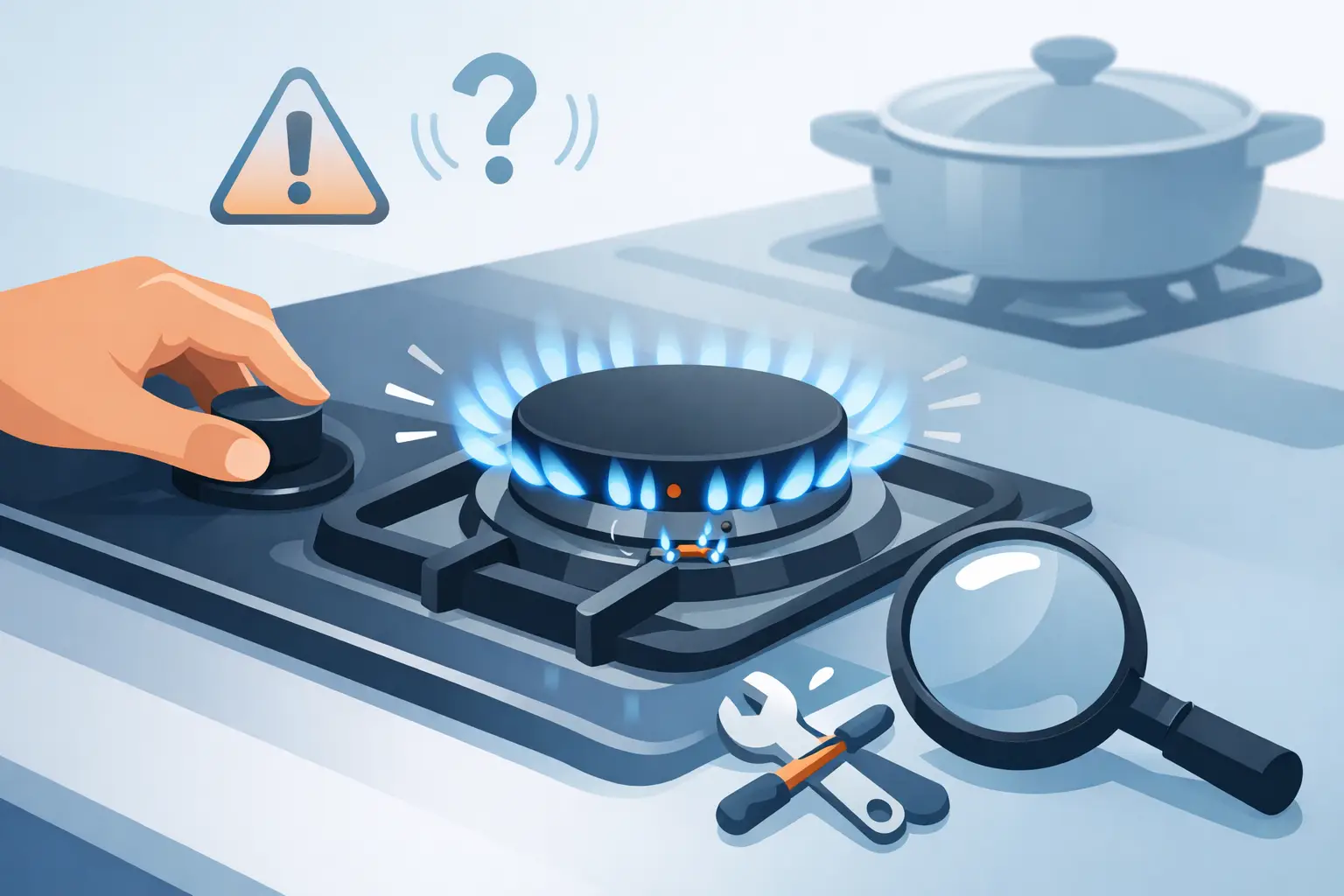
When burner ports are clogged with grease, food residue, or carbon buildup, gas may not burn evenly. That can lead to incomplete combustion and increased carbon monoxide production. A normal flame should generally look steady and blue. If you see large yellow or orange flames, that is a warning sign that combustion may be off.
Faulty igniters or burner problems
A weak igniter can delay ignition or prevent the burner from lighting properly. That may allow gas to flow without a clean, stable flame pattern. Damaged burner tubes, misaligned burner assemblies, or worn gas valves can also affect how the fuel burns.
Poor ventilation
Even if the oven is producing only a limited amount of combustion byproducts, poor kitchen ventilation can let those gases accumulate. Tight indoor spaces, blocked vents, or exhausted range hoods that are not working correctly can make a bad situation worse.
Improper installation or conversion issues
Gas appliances must be configured for the correct fuel type and installed according to code. If an oven is set up incorrectly for natural gas or propane, or if a conversion was done poorly, combustion problems can follow. This is one reason gas appliance work should be handled by trained, qualified technicians.
Signs your gas oven may have a carbon monoxide problem
Carbon monoxide is dangerous partly because you cannot see or smell it. The warning signs often come from the appliance behavior or from how people in the home feel.
A strong clue is an abnormal flame. If your oven flame is yellow, flickering heavily, or leaving soot, the burner may not be operating correctly. You may also notice scorch marks, black residue around the oven cavity, or excessive moisture on nearby surfaces.
Another sign is physical symptoms during or after oven use. Headaches, dizziness, nausea, fatigue, and confusion can all be linked to carbon monoxide exposure. If more than one person in the home notices symptoms, especially while the oven is running, take that seriously.
A carbon monoxide detector sounding is the clearest warning of all. If your detector goes off, do not stay inside trying to diagnose the appliance. Leave the area, get fresh air, and follow emergency guidance.
What to do if you suspect carbon monoxide from your oven
Start with safety, not troubleshooting. Turn off the oven if you can do so quickly and safely. If anyone feels sick, leave the home immediately and get medical attention if symptoms are significant.
If a carbon monoxide detector has gone off, treat it as a real emergency. Move everyone outside or into fresh air and contact emergency services or your gas utility as directed in your area. Do not restart the appliance just to “see if it happens again.”
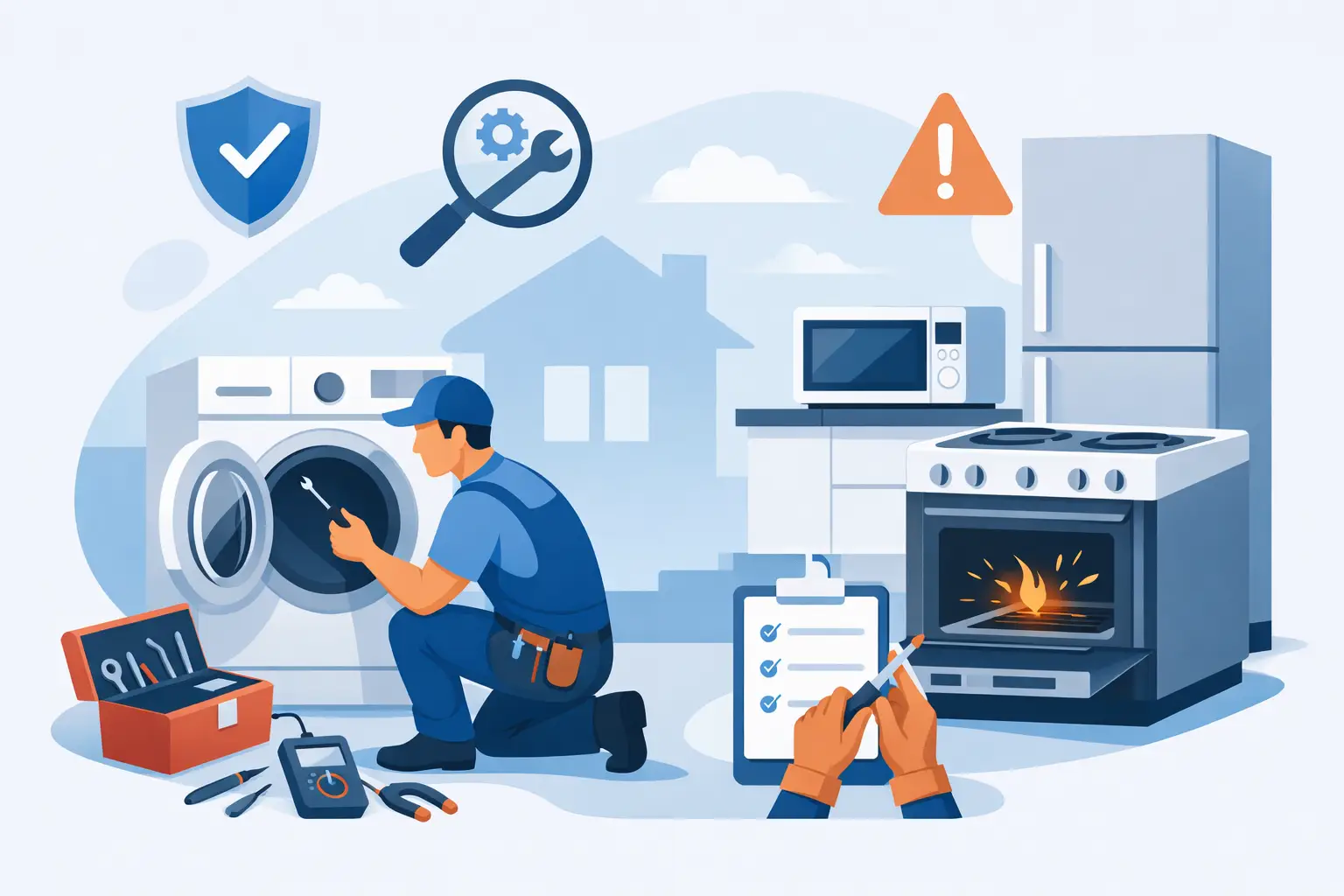
Once the immediate risk is addressed, the oven needs professional inspection. Carbon monoxide issues are not a guess-and-check DIY job. A trained gas appliance technician can test combustion, inspect the burner system, check ignition performance, verify installation, and confirm whether the appliance is safe to use.
Can you prevent a gas oven from leaking carbon monoxide?
In many cases, yes. Prevention comes down to proper maintenance, correct use, and early attention to small warning signs.
Keep the oven reasonably clean, especially around burner areas where grease and food debris can interfere with combustion. Do not ignore delayed ignition, uneven flames, gas odors, or repeated burner issues. Those are not cosmetic problems.
It also helps to use the appliance as intended. Never use a gas oven to heat your kitchen or home. That practice increases the chance of dangerous combustion gas buildup and puts extra stress on the appliance.
Most importantly, have gas appliance issues inspected promptly. A small repair now is far better than letting a safety hazard develop unnoticed.
Why carbon monoxide detectors matter
Every home with gas appliances should have working carbon monoxide detectors. This is one of the simplest and most effective safety steps you can take.
Install detectors in appropriate locations according to manufacturer guidance and local code. Test them regularly and replace batteries as needed. Detectors do not replace maintenance or repair, but they do provide a critical warning when something goes wrong.
For families, landlords, and small business owners, this is basic protection. If you rely on a gas oven, gas range, dryer, furnace, or water heater, carbon monoxide detection should be part of your home or property safety plan.
When repair is possible and when replacement makes more sense
Not every carbon monoxide issue means the oven has to be replaced. In many cases, cleaning the burner system, replacing a weak igniter, correcting a gas flow issue, or repairing a faulty component can restore safe operation.
That said, it depends on the age of the appliance, the condition of the burner assembly, and whether the unit has a history of repeat problems. If the oven is older and multiple gas-related parts are failing, replacement may be the more practical long-term choice.
A qualified technician should make that call based on testing and inspection, not guesswork. Safety comes first, but cost and reliability matter too. A good service company will explain what failed, what it takes to fix it, and whether the repair is worth it.
Why professional gas oven service matters
Gas appliances are not the place to cut corners. An oven can appear to work while still burning improperly. That is why a basic visual check is not always enough.
Professional service includes more than swapping a part. It means evaluating combustion performance, checking for code-related concerns, confirming safe operation, and making sure the appliance is functioning the way it should. For homeowners and property managers, that level of care brings real peace of mind.
At Appliance Tech Pros, this is exactly why certified gas appliance service matters. Fast scheduling is helpful, but what really protects your household is accurate diagnosis and safe, compliant repair work.
The bottom line on gas ovens and carbon monoxide
If you are still asking, can a gas oven leak carbon monoxide, the safest answer is yes, under the wrong conditions it absolutely can. The good news is that warning signs usually show up before the issue should be ignored forever. Strange flames, soot, headaches, detector alarms, and burner problems are all reasons to stop using the oven and have it checked.
When a gas appliance does not seem right, trust that instinct. A prompt inspection can protect your home, your health, and your confidence in using the appliance again.