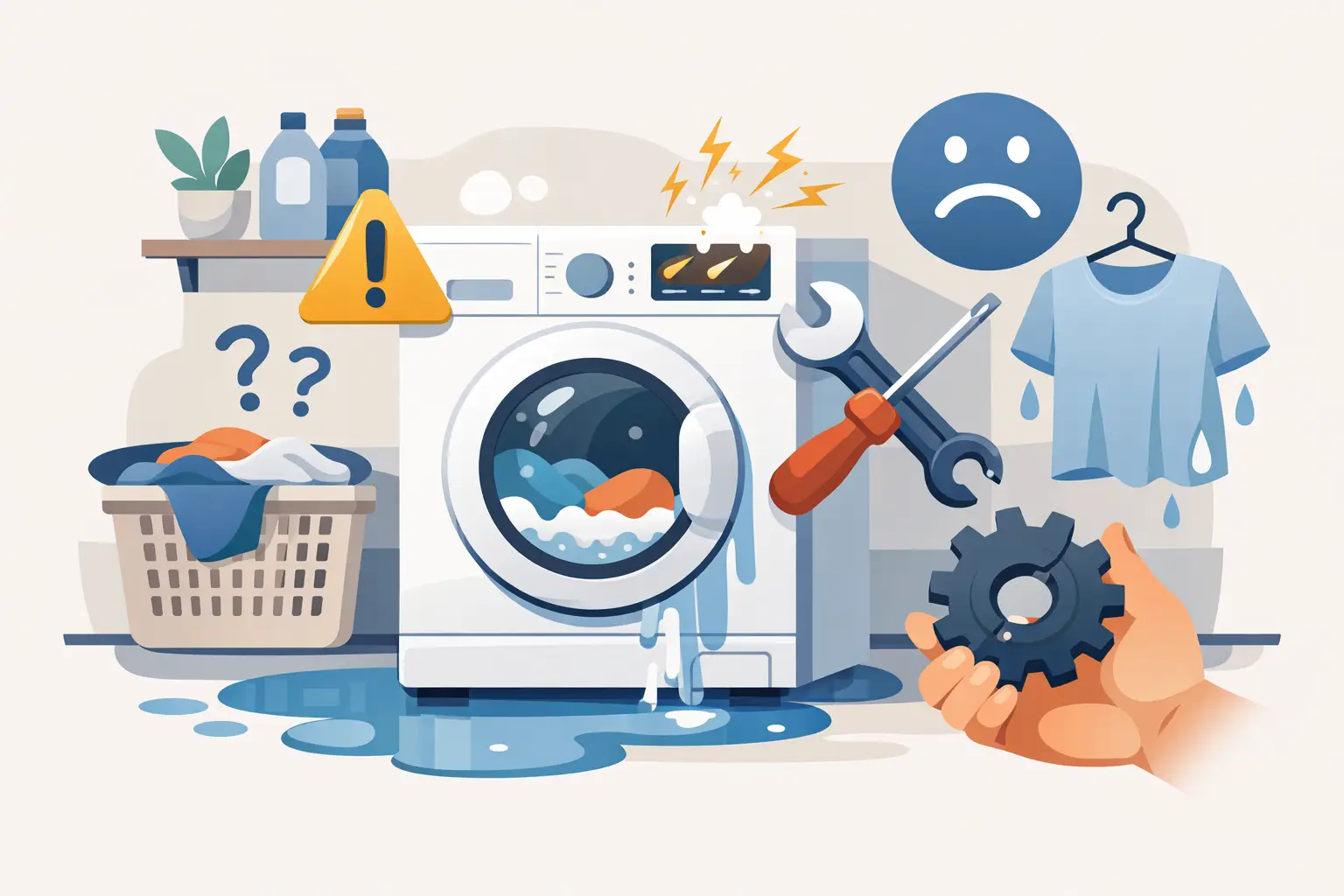
A washer that fills, drains, or hums but refuses to spin can turn a normal laundry day into a mess of soaked clothes and lost time. In many cases, washer not spinning repair starts with a few simple checks, but the real issue can also involve worn parts, electrical faults, or safety systems that need professional attention.
Why a washer stops spinning
The spin cycle depends on several parts working together at the right time. The lid or door must lock, the washer must drain properly, the load must be balanced, and the motor or drive system must have enough power to turn the drum at high speed. If one part of that chain fails, the machine may stop before spin, spin weakly, or leave clothes dripping wet.
That is why the symptom can be misleading. A washer that is “not spinning” is not always dealing with a bad motor. Sometimes the machine is protecting itself from damage because it senses an unbalanced load. Other times, it is waiting for water to drain and never gets the signal that the tub is empty.
Start with the simplest causes first
Before you assume a major breakdown, pause the cycle and look at the load. Heavy items like towels, blankets, or mats can bunch to one side of the drum. Many modern washers will slow down or cancel the spin cycle if the load is too uneven. Redistributing the items and running a drain-and-spin cycle may solve the problem right away.
Next, check whether the machine is overloaded. A packed drum makes it harder for the washer to balance and reach full spin speed. If the washer struggles to turn or seems to stop and start repeatedly, remove a few items and try again.
It is also worth checking the cycle settings. Some delicate or hand-wash settings use a lower spin speed, and some no-spin settings leave laundry wetter by design. This sounds basic, but it is one of the more common service-call surprises.
Washer not spinning repair often starts with drainage
A washer cannot safely enter full spin if it still has water in the tub. If you hear draining issues, notice standing water, or smell stagnant water after the cycle, the drain system is a likely suspect.
Start by inspecting the drain hose for kinks or crushing behind the machine. If the hose is bent too sharply, water flow can slow enough to interrupt the cycle. Then check the standpipe or household drain for a blockage. If the washer drains slowly, the machine may never move fully into spin.
On many front-load models, a clogged drain pump filter can also stop the cycle. Coins, lint, socks, and small debris often collect there. If your model has an accessible filter and the manufacturer allows homeowner cleaning, shut off power first, place towels down, and open it carefully because water may spill out.
If the pump hums but water does not move, or if the machine shows drain-related error codes, the drain pump itself may be failing. That repair usually calls for a technician, especially if testing electrical continuity or replacing pump components is involved.
The lid switch or door lock may be the real problem
Top-load washers often rely on a lid switch to confirm the lid is closed before spinning. Front-load washers use a door lock assembly for the same reason. If that safety system fails, the washer may wash and drain but never enter high-speed spin.
This issue can look minor from the outside. The lid may close normally, and the door may appear shut, but the control board is not receiving the correct signal. In some cases, you may notice the washer clicks repeatedly, flashes a lock light, or pauses at the point where spin should begin.
Because these parts are tied to safety functions, bypassing them is never a good idea. Proper washer not spinning repair means identifying whether the problem is the switch, lock mechanism, wiring, or the control that reads the signal.
Belts, couplers, and drive parts wear out over time
If your washer sounds like it is trying to spin but the basket barely moves, worn mechanical parts may be to blame. On some washers, a damaged drive belt can slip or break. On others, a worn motor coupler can disconnect the motor from the transmission or drive system.
These parts wear gradually, especially in homes that run frequent loads or wash heavy fabrics often. You might notice a burning smell, squealing noises, grinding, or reduced spin performance before total failure. In those cases, replacing the worn part may restore normal operation.
The trade-off is that drive-system repairs are not equally simple across all brands and models. Some machines allow relatively direct access. Others require major disassembly. If you are not confident identifying mechanical wear or reassembling the unit correctly, it is safer to have the machine serviced.
Motor, capacitor, and control board problems
When the washer drains correctly and the door or lid is secure, the next layer of diagnosis often involves the motor and electronic controls. A failing motor may overheat, lose torque, or stop intermittently. Some washers use a capacitor to help the motor start, and when that component weakens, spin performance can become erratic.
There is also the control board. Modern washers depend on boards and sensors to coordinate every stage of the cycle. If the board does not send power to the motor, misreads the speed sensor, or fails to recognize that draining is complete, the washer may stall before spin even though the rest of the machine seems fine.
These repairs require more than guesswork. Electrical testing should be done with the right tools and training. Replacing parts without confirming the fault can waste time and money, especially when multiple components produce similar symptoms.
When vibration points to suspension trouble
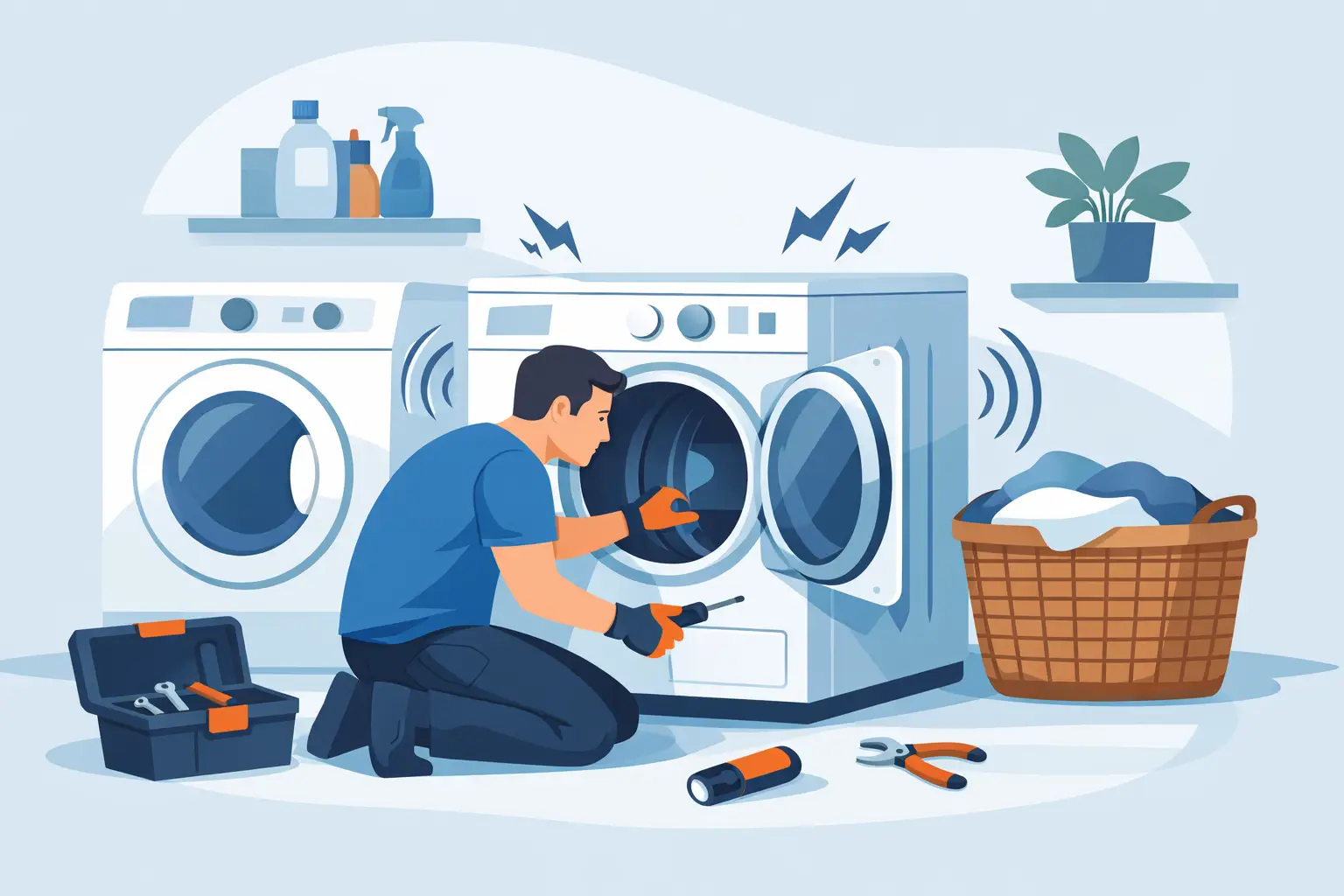
If the drum starts to spin but bangs violently, stops abruptly, or walks the machine across the floor, the suspension system may be worn. Top-load washers may have damaged suspension rods or tub supports. Front-load models can develop worn shocks or springs.
This is one of those cases where the machine is technically spinning, but not properly. The washer may abort the cycle because it cannot stabilize the tub. That leaves clothes wet and can put extra strain on other components.
Leveling also matters. An uneven floor or improperly adjusted feet can worsen vibration and trigger balance issues. If the washer has shifted over time, correcting its position may help, but persistent violent shaking usually points to worn support parts.
What you can safely check at home
Most homeowners can safely do a few basic checks. Confirm the load is balanced, make sure the settings are correct, inspect the drain hose for kinks, and look for obvious signs of a clogged filter if your model has one. You can also check whether the machine is level and whether the lid or door seems to latch normally.
What you should avoid is opening electrical panels, bypassing safety locks, or disassembling the drive system without proper experience. Washers combine water, electricity, and moving parts. A repair that looks simple online can quickly become unsafe or lead to more expensive damage.
When to schedule professional washer not spinning repair
If your washer repeatedly leaves clothes soaked, stops mid-cycle, makes grinding or burning smells, flashes lock or drain errors, or will not spin even after basic checks, it is time to bring in a trained technician. The same applies if the machine is leaking, tripping breakers, or shaking violently.
Professional service helps narrow the problem down quickly. Instead of replacing parts one by one, a technician can test the drain system, lock assembly, motor circuit, suspension, and controls in a logical order. That saves guesswork and helps protect the machine from repeat failures.
For busy households, speed matters just as much as accuracy. A dependable repair restores routine, prevents water damage risks from unresolved drainage issues, and can extend the life of an appliance that still has years of service left.
At Appliance Tech Pros, the goal is straightforward: diagnose the problem safely, repair it correctly, and get your laundry routine back without added stress. If your washer is not spinning, the smartest next step is not always replacing the machine. Often, it is getting a clear diagnosis from someone who works on these systems every day.
A washer that will not spin is frustrating, but it is usually sending a signal rather than reaching the end of its life. The sooner that signal is checked, the better your chances of a simpler, faster repair.